RSS
RSS
Quicklinks
WholeFoods Magazine
Why Transparency is the Key to Successfully Following Your Diet
By Kira Karapetian, Vice President of Marketing, Label Insight
Every January scores of consumers pledge to live a healthier lifestyle and kick-start a new diet or food plan. In fact, 67% of Americans are prioritizing healthy or socially-conscious food purchases in 2018, according to a recent survey. And while diets have become trendier than ever — there are currently more than 40 diets to choose from — dieting has a lineage as early as the 1800s. In the 1830s, Presbyterian minister Sylvester Graham touted a vegetarian diet that excluded spices, condiments and alcohol. William Banting's “Letter on Corpulence” was published in 1864 — likely the first diet book — to showcase his weight loss success after replacing bread, sugar and potatoes with mostly meat, fish and vegetables.
Shopping for compliant food items can be one of the most challenging aspects of following any diet or nutrition program. According to Nielsen, nearly two-thirds of global respondents (64%) follow a diet that limits or prohibits consumption of some foods or ingredients. Diets that limit the amount of fat (31%) or sugar (26%) are the most commonly cited restrictions among global respondents.
Consumers have been vocal about the importance of transparency from brands. Label Insight’s 2017 Ingredient Confusion study revealed that shoppers want far more than just the required product information on a product’s label. With more shoppers than ever following specific diets and avoiding certain ingredients, how challenging is it to purchase food that complies? Label Insight used its ingredient database of more than 500,000 products to determine how challenging — or easy — it would be to shop for four of the most popular diets: Paleo, Keto, Vegan/Vegetarian and Mediterranean.
Most CPG brands still have a long way to go with creating accurate and descriptive label claims.
While many products are suited for shoppers following the Paleo, Keto, Vegan/Vegetarian and Mediterranean diet, most of the labeling omits any claims that these products are compliant. For example, less than 600 products make a Mediterranean style or diet claim, but 150,000+ products are actually considered acceptable for those following the diet. This is true for the Paleo diet as well: while only 683 food products make the claim to be Paleo, more than 65,000 food products actually qualified. Similarly, fewer than 600 products made a Keto diet claim, while 43,000+ products were actually Keto-compliant.
More expressive label claims help shoppers more easily identity which products to purchase. Research has shown that consumers are willing to switch brands if another brand shared more detailed product information that they could understand. There is a significant opportunity for savvy brands to meet growing demands for greater product and label transparency.
Carbs are another controversial area - there are largely differing perspectives about whole-grains across the Paleo, Keto, Vegan/Vegetarian and Mediterranean diets. The Mediterranean diet recommends whole grains — more than 8,600 products earned an official Whole Grain Stamp. Similarly, the products most likely to be vegetarian-certified are cookies and candy, cereal and other breakfast foods and grain and pasta. Yet the Paleo and Keto diets strongly urge avoiding carbs — even in seemingly compliant items like fruits, honey, maple syrup and juice (for Keto shoppers).
Desserts and sweets are another confusing area for shoppers following a specific diet. Are they off limits?
Surprisingly, many sweets are compliant across the Paleo, Keto, Vegan/Vegetarian and Mediterranean diets. For example, 1,100 dessert products meet the criteria for keto. Sugar-free cookies, reduced-calorie/sugar-free pudding, and sugar-free candy top the list. And chocolate is the most likely item in the “snacks, cookies and candy category” to be certified as vegetarian. Those following the Paleo diet can turn to honey and maple syrup to sweeten up their meal: more than 14,500 products contain honey ingredients and 2,000+ products contain maple syrup or sugar ingredients.
Shoppers can successfully “shop their diet” if they pay close attention to product labels and ingredients.
Avoiding diet “gotchas” — like sweeteners or hidden carbs — can be challenging. But savvy shoppers should pay close attention to product labels and ingredient information to determine whether an item complies with their diet or meal plan. Brands and retailers have an opportunity to improve their relationship with consumers by providing more insight and clarity about their products.
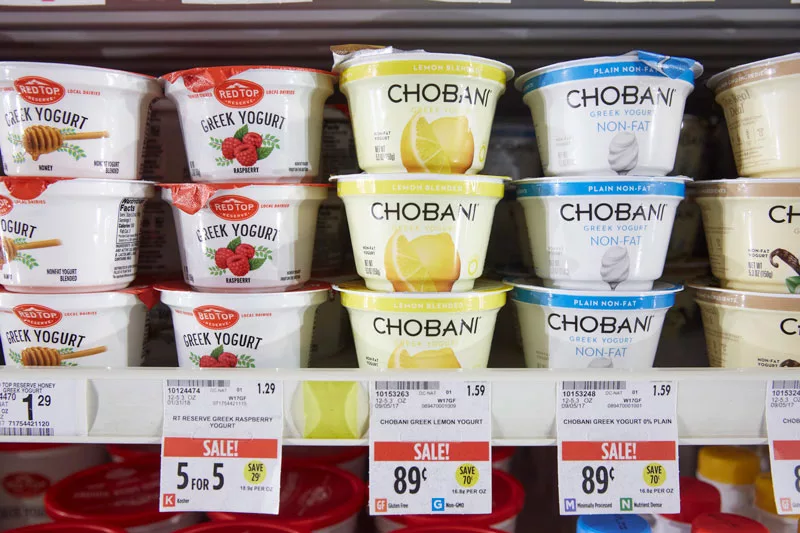
Savvy retailers are helping to address limited details on product packaging by helping shoppers identify diet compliance attributes in products. For example, independent grocery chain Raley’s created its Raley's Shelf Guide program to arm shoppers with more details about the food and personal care products beyond the information gleaned from the product label. Using custom attributes such as Minimally Processed and Nutrient Dense, customers can filter products in Raley's eCart to quickly find the products that meet their health-and-wellness needs.
Ultimately, helping consumers to more easily understand if the products they're purchasing comply with popular diets will create more brand loyalty and help to earn consumer trust — which should always be the ultimate goal.
Every January scores of consumers pledge to live a healthier lifestyle and kick-start a new diet or food plan. In fact, 67% of Americans are prioritizing healthy or socially-conscious food purchases in 2018, according to a recent survey. And while diets have become trendier than ever — there are currently more than 40 diets to choose from — dieting has a lineage as early as the 1800s. In the 1830s, Presbyterian minister Sylvester Graham touted a vegetarian diet that excluded spices, condiments and alcohol. William Banting's “Letter on Corpulence” was published in 1864 — likely the first diet book — to showcase his weight loss success after replacing bread, sugar and potatoes with mostly meat, fish and vegetables.
Shopping for compliant food items can be one of the most challenging aspects of following any diet or nutrition program. According to Nielsen, nearly two-thirds of global respondents (64%) follow a diet that limits or prohibits consumption of some foods or ingredients. Diets that limit the amount of fat (31%) or sugar (26%) are the most commonly cited restrictions among global respondents.
Consumers have been vocal about the importance of transparency from brands. Label Insight’s 2017 Ingredient Confusion study revealed that shoppers want far more than just the required product information on a product’s label. With more shoppers than ever following specific diets and avoiding certain ingredients, how challenging is it to purchase food that complies? Label Insight used its ingredient database of more than 500,000 products to determine how challenging — or easy — it would be to shop for four of the most popular diets: Paleo, Keto, Vegan/Vegetarian and Mediterranean.
Most CPG brands still have a long way to go with creating accurate and descriptive label claims.
While many products are suited for shoppers following the Paleo, Keto, Vegan/Vegetarian and Mediterranean diet, most of the labeling omits any claims that these products are compliant. For example, less than 600 products make a Mediterranean style or diet claim, but 150,000+ products are actually considered acceptable for those following the diet. This is true for the Paleo diet as well: while only 683 food products make the claim to be Paleo, more than 65,000 food products actually qualified. Similarly, fewer than 600 products made a Keto diet claim, while 43,000+ products were actually Keto-compliant.
More expressive label claims help shoppers more easily identity which products to purchase. Research has shown that consumers are willing to switch brands if another brand shared more detailed product information that they could understand. There is a significant opportunity for savvy brands to meet growing demands for greater product and label transparency.
Carbs are another controversial area - there are largely differing perspectives about whole-grains across the Paleo, Keto, Vegan/Vegetarian and Mediterranean diets. The Mediterranean diet recommends whole grains — more than 8,600 products earned an official Whole Grain Stamp. Similarly, the products most likely to be vegetarian-certified are cookies and candy, cereal and other breakfast foods and grain and pasta. Yet the Paleo and Keto diets strongly urge avoiding carbs — even in seemingly compliant items like fruits, honey, maple syrup and juice (for Keto shoppers).
Desserts and sweets are another confusing area for shoppers following a specific diet. Are they off limits?
Surprisingly, many sweets are compliant across the Paleo, Keto, Vegan/Vegetarian and Mediterranean diets. For example, 1,100 dessert products meet the criteria for keto. Sugar-free cookies, reduced-calorie/sugar-free pudding, and sugar-free candy top the list. And chocolate is the most likely item in the “snacks, cookies and candy category” to be certified as vegetarian. Those following the Paleo diet can turn to honey and maple syrup to sweeten up their meal: more than 14,500 products contain honey ingredients and 2,000+ products contain maple syrup or sugar ingredients.
Shoppers can successfully “shop their diet” if they pay close attention to product labels and ingredients.
Avoiding diet “gotchas” — like sweeteners or hidden carbs — can be challenging. But savvy shoppers should pay close attention to product labels and ingredient information to determine whether an item complies with their diet or meal plan. Brands and retailers have an opportunity to improve their relationship with consumers by providing more insight and clarity about their products.
Savvy retailers are helping to address limited details on product packaging by helping shoppers identify diet compliance attributes in products. For example, independent grocery chain Raley’s created its Raley's Shelf Guide program to arm shoppers with more details about the food and personal care products beyond the information gleaned from the product label. Using custom attributes such as Minimally Processed and Nutrient Dense, customers can filter products in Raley's eCart to quickly find the products that meet their health-and-wellness needs.
Ultimately, helping consumers to more easily understand if the products they're purchasing comply with popular diets will create more brand loyalty and help to earn consumer trust — which should always be the ultimate goal.
Recommended For You
Latest Publication

August 2026

June/July 2026
2026 Deep Dive Active Nutrition Market

2026 Deep Dive Cardiovascular Health