Continue To Site >
Quicklinks
  • Ask Whole Foods Mag
  • Magazine Subscription
  • View Back Issues
  • Advertise
  • Education Center
  • Ashwagandha / Shatavari Experience
  • Naturally Informed
  • Move Nutrition
  • India-America Boardroom Series
Free Newsletter Subscription
Ask WholeFoods Mag
  • News
    • All News
    • In Case You Missed It
    • Breaking News
    • Grocery News
    • Dietary Supplements News
    • Supplier News
    • Health & Beauty Aid News
    • Green News
    • Research
  • Features
    • Supplements
    • Grocery
    • Health & Beauty Aids
    • Suppliers
  • Columns
    • Debates
    • Editorial
    • Good Health Reads
    • Happy Customer
    • Herb of the Month
    • Leadership Profiles
    • Legal Tips
    • Mentors
    • Merchandising Insights
    • Recipes
    • Naturally Informed Education
    • The Nutrition Mythbuster
    • Trade Secrets
    • Vitamin Connection
    • What's Selling
    • WholeFoods Blogs
  • Products
    • Dietary Supplements
    • Grocery Products
    • Gourmet Products
    • Health & Beauty Aid Products
    • New Product Reviews
      • 2021 Archives
      • 2019 Archives
      • 2018 Archives
    • Suppliers
  • Multimedia
    • Videos
    • Podcast
    • The Natural View
  • Directory
Ask WholeFoods Mag
  • Log In
  • Register
  • Log Out
  • My Account
Free Newsletter Subscription
Quicklinks
  • Ask Whole Foods Mag
  • Magazine Subscription
  • View Back Issues
  • Advertise
  • Education Center
  • Ashwagandha / Shatavari Experience
  • Naturally Informed
  • Move Nutrition
  • India-America Boardroom Series
Home » Blogs » WholeFoods Magazine » Increased Fruit and Vegetable Consumption Linked to Increased Psychological Well-Being

WholeFoods Magazine
WholeFoods Magazine RSS FeedRSS

Increased Fruit and Vegetable Consumption Linked to Increased Psychological Well-Being

April 24, 2017
Simi Summer and Simi Summer, Ph.D.
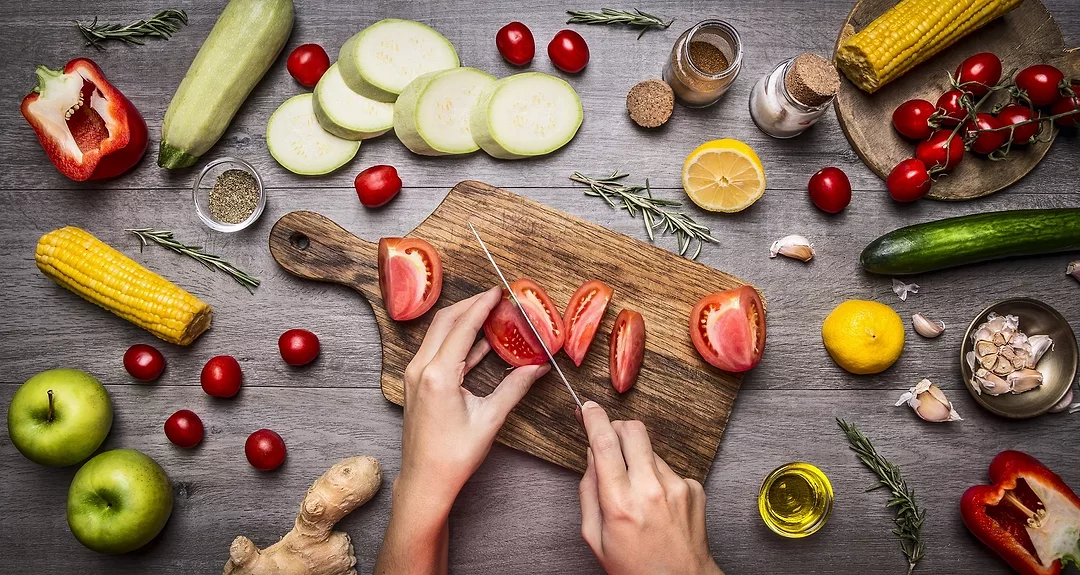
Who would have thought that a generous serving of your favorite fruits and vegetables would actually increase your sense of psychological well-being? Researchers are now revealing that a diet rich in fresh fruits and vegetables will not only help to reduce your waistline but increasing your consumption of fruit and vegetables may offer a drug-free prevention-oriented path to good mental and physical health with positive side-benefits.

At an age when young adults begin to form their life-long eating habits and when pizza, soft drink and burger consumption are the norm, introducing a diet that puts more emphasis on fresh fruits and vegetables may be a health-promoting step in the right direction. A recent study of young adults ages 18 – 25 found that individuals who were given two extra daily servings of fresh fruit and vegetables reported improved vitality, increased motivation and increased psychological well-being.

The physical health benefits of fruits and vegetables are well known including improved cardiovascular health, reduced risk of some cancers and greater longevity. Prior research on fruit and vegetable consumption has pointed to additional positive outcomes including greater happiness, higher life satisfaction and greater social/emotional well-being. Instead of snacking on chocolate, coffee, chips, fries, donuts and other junk food, those snacking on fruits and vegetables consistently reported positive changes.

Vitamin C and carotenoids (found in carrots) are two of the most reliable biomarkers of fruit and vegetable consumption. Researchers monitoring this type of increased vitamin consumption concluded that consuming more fruits and vegetables can be correlated with reduced fatigue, increased vigor, feelings of cheerfulness, greater energy and a feeling of being "full of pep."

Greater fruit and vegetable consumption in young adults was also correlated with greater curiosity, creativity and originality which the authors classified as qualities of "flourishing behaviors," known to be a sign of good mental and physical health. In conclusion, researchers commented that consumer education on the topic may not be enough to motivate the quantity of fruit and vegetable consumption found to promote measurable changes. Subsequently, the recommendation for improved well-being parameters was to put greater emphasis on stocking fresh fruits and vegetables in food service settings including dorms, cafeterias and in the workplace as a replacement for fast-food and less healthy snack items.

Simi Summer, PhD is an organic advocate, independent researcher, educator, and free lance writer. She is a strong proponent of organic consumer education and informed consumer choices.
Recommended For You
Latest Publication
Screenshot_2026-05-26_at_7.47.16_AM.jpg
June/July 2026
CovHeart.jpg
2026 Deep Dive Cardiovascular Health
Screenshot_2026-04-16_at_11.51.39_AM.png
May 2026
CovMi26.jpg
2026 Mastering the Microbiome Market
Most Popular
  • Anaheim Convention Center hosted four days of innovation, education, networking, and trendspotting at Expo West 2026.

    Expo West 2026 Trend Report: Innovation, Transparency & Functional Wellness

    By WholeFoods Magazine Staff
    May 26, 2026
  • Fostering mental wellness.

    The Pillars of Mental Resilience

    By Jennifer Joseph
    June 1, 2026
  • Yogurt-probiotics-GettyImages-2217529941.jpg

    Rethinking Lactose Intolerance: The Role of Probiotics and Prebiotics

    By Clare Fleishman, MS RDN
    May 22, 2026

WholeFoods Magazine is your one-stop resource for health and nutrition articles. We provide important information regarding industry news, research, and trends.

The Magazine

  • Current Issue
  • Subscribe
  • Renew
  • Change of Address

Information

  • Source Directory
  • Helpful Resources
  • Job Finder

About Us

  • About Us
  • Contact Us
  • Advertise

Social

NOTE: WholeFoods Magazine is a business-to-business publication. Information on this site should not be considered medical advice or a way to diagnose or treat any disease or illness. Always seek the advice of a medical professional before making lifestyle changes, including taking a dietary supplement. The opinions expressed by contributors and experts quoted in articles are not necessarily those of the publisher or editors of WholeFoods.

© Copyright 2026 WFC, Inc. All Rights Reserved.
Privacy PolicyTerms