RSS
RSS
Quicklinks
WholeFoods Magazine
Taming the Bag Monster
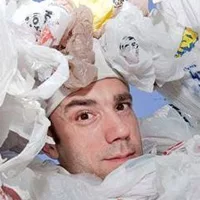
Plastic bags are not all bad, but when used excessively and in large numbers, they can turn into Bag Monsters. They start as innocent bundles of bags, however they can grow into menacing creatures that cause all kinds of trouble. A Bag Monster is the average American’s consumption of single-use disposable bags–estimated to conservatively be 500 bags. You may never realize the size of your Bag Monster unless you keep all of your single-use bags for an entire year. If you don’t – you may only see small Bag Monsters like the one under your sink, the one in the pantry, the one in your trash or recycle bin, or the lone bag monsters that travel our highways, swim in our streams or wave proudly from our trees.
The Bag Monster is not just comprised of retail carry-out bags, which according to the United States International Trade Commission, in 2008 is 102 BILLION annually. If tied in a chain, this chain would circle the earth 776 times! If divided equally among all Americans, would equal 332 bags per man, woman and child. That is a scary Bag Monster in its own right. Can you image your body covered in 332 bags on a hot summer day? In addition to retail carry-out bags, the Bag Monster is comprised of all types of excessive plastic bags, from produce bags for single items, to newspaper bags on a sunny day. The Bag Monster thrives on our excessive consumption of plastic bags. The more you feed it, the bigger Bag Monster gets!!
3 WAYS TO TAME THE BAG MONSTER:
- Only use a disposable bag when it is absolutely needed. This simple act could shrink your Bag Monster by 50% overnight and without any inconvenience. Just think of all the times a bag was used for something that could have easily been carried out of the store in the same hands that carried it to the register. Retailers: Change the question to support this behavior and ask: “Do you need a bag?” If all Americans did this, we could use 50 billion less single-use plastic retail bags every year–which would save at least 500 million dollars annually! Imagine how that money could be better spent.
- Foster a reusable bag habit. Find a reusable bag that you enjoy using and if compact, keep it conveniently located in your purse, pocket or on your keychain. Retailers: Offer a variety of reusable bags on a kiosk at the entrance of the store and help reinforce the positive feel-good experience by providing incentives to your customers who choose to support your waste reduction goals.
- After use, tie each plastic bag in a knot. Plastic bag litter is a major driver of the world-wide movement to ban plastic shopping bags. This litter problem is largely a result of product design. Unlike other consumer products, disposable plastic bags are very light-weight and have an inherent ability to become wind-blown litter despite proper disposal. They blow out of garbage cans, recycle bins and even blow out of landfills. This is one of the reasons they have fences around landfills. This act of tying a bag into a knot is really such a simple act, yet it will significantly decrease the capacity that a bag has to take flight and become a Bag Monster. Retailers: If you are providing disposable plastic bags of any kind, ask your vendor to provide you with bags with an educational message that includes the phrase: “tie bag in knot before disposal”.
Blog posted October 14, 2011
Recommended For You
Latest Publication
August 2026
June/July 2026

2026 Deep Dive Active Nutrition Market

2026 Deep Dive Cardiovascular Health