RSS
RSS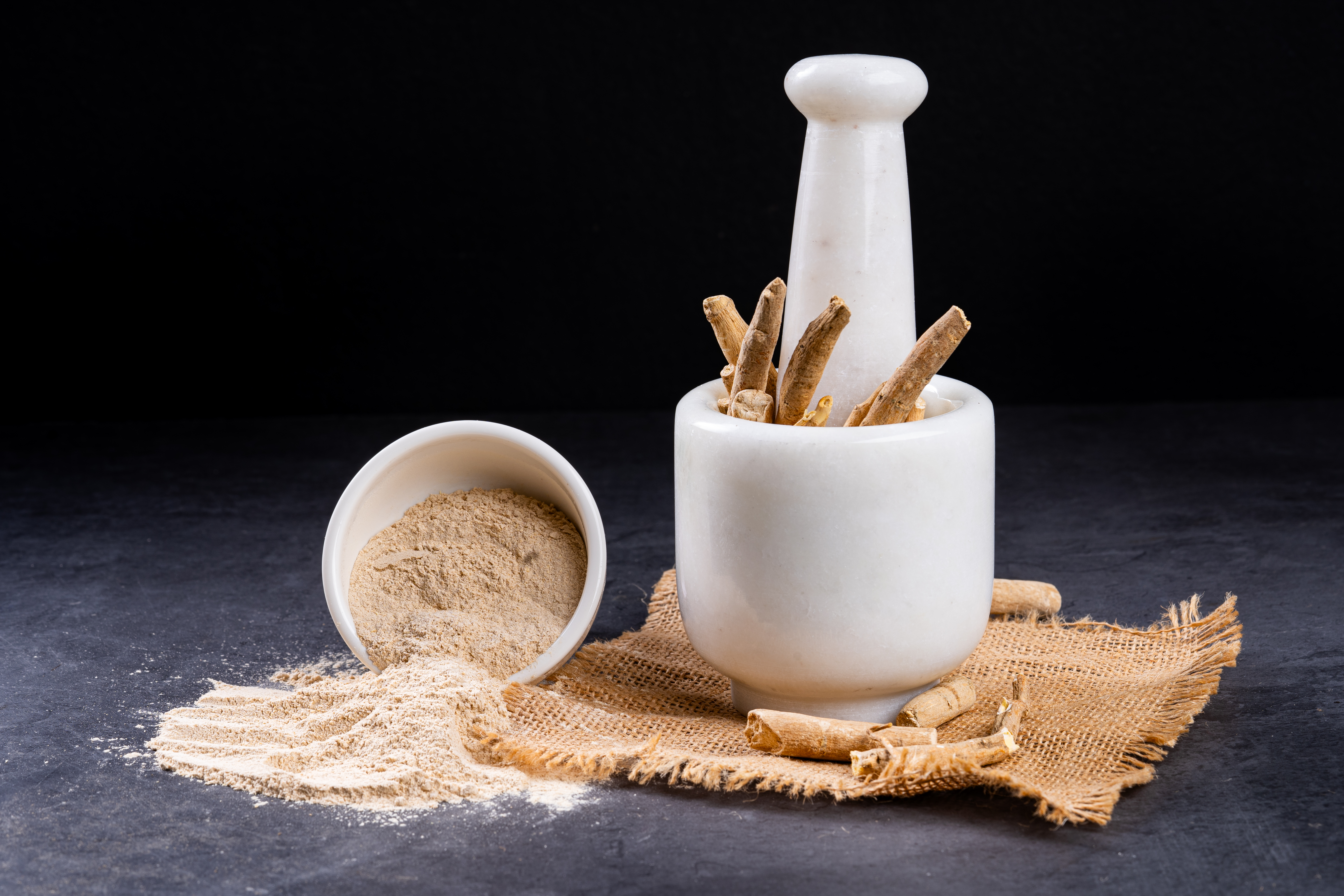
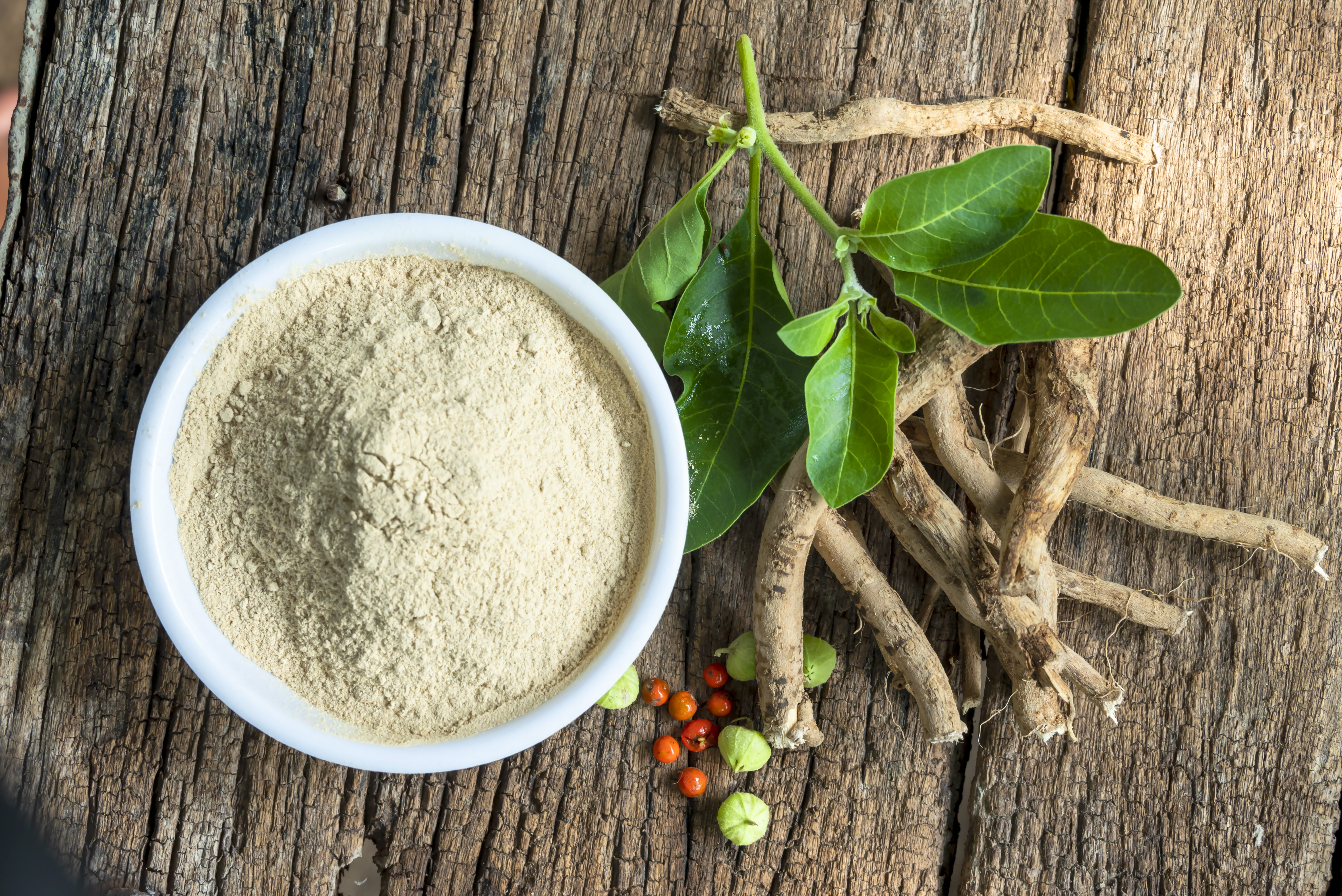
Ashwagandha Enters a Root-Only Era in India
June 30, 2026

As surprising as it may seem, many people here the word "enzyme" and think first of laundry detergents. While enzymes, of course, play a role in the manufacturing of detergents, they are also critical and essential to all aspects of human functioning and healthy living. Then, why is it that most American-trained physicians know very little about supplemental enzymes and rarely discuss their potential to their patients?
When I went to medical school at UCLA and then onto surgical residencies, little attention was given to nutrition or enzyme therapy. Unfortunately, that situation is still generally endemic to our medical school systems. Also of key importance, is that the “belief system” or “model” of many medical schools and residency programs is one of TREATMENT VS. PREVENTION. The underlying theme is that if you're not sick, you're well!!! But, the absence of illness is not necessarily good health! Just as the absence of pain is not pleasure. The “Treatment” vs. “Prevention” model can get us into trouble by forgetting the obvious: all of us would rather prevent a horrible illness if it were in our power than undergo a potentially painful and expensive treatment.
So, one of my goals is to promote illness prevention, which along with proper diet, exercise and supplemental enzymes, can make a major difference in your life, in my opinion.
There are other reasons why American-trained docs don’t discuss enzyme therapy with their patients—which include the fact that most of the research has been done outside the U.S. and many MDs have concerns of being labeled “non-scientific” or fear medical malpractice issues if they recommend supplements. I do not believe, however, that there are any real “ medical conspiracies” that your medical doctor is “holding out on you.” He or she is simply not aware of the research.
What Are Enzymes?
Enzymes are catalysts that speed up reactions in the body. They are protein based. They have been described as the “body’s labor force” to keep all functions “on go.” They are required for virtually every chemical reaction in our body. Without the right kind and amounts of enzymes, illness and even death can occur!
Enzymes are very specific in their activity. For example, digestive enzymes are needed for us to properly digest our food and absorb nutrients. But these same enzymes that are so important to digestion, for example, are different than those that can help with brain function. Enzyme specificity is like a “lock and key” mechanism. Just as we’ve heard the phrase, “there’s an app for that,” well, there’s a specific enzyme for that.
We are dependent on key enzymes for health from the foods we eat. However, most doctors aren’t aware that heat [about 118 degrees F] kills all the enzymes in our food. So, cooking, microwaving, processing and canning kills these important enzymes. While some vitamins may survive, enzymes do not.
These enzymes are critical to digestion to help absorb life-preserving nutrients. Without getting them in our food, our body has to produce more of them…and the pancreas and other organs must work harder to make them, adding additional stress to our bodies. Short of only eating raw foods, which I personally think as a physician, can be unsafe in some instances, most Americans may be deficient in important enzymes.
“Energy Conservation” is one of the body’s mechanisms of survival, and I believe enzymatic supplements can assist with this energy conservation.
As we get older, it appears that enzyme production goes down, and this can lead to added stress on the pancreas. As our enzymes are depleted, various chronic diseases may occur…they won’t tell you that in med school.
Other things your doctor won’t tell you is that enzymes can survive stomach acid in some cases and make it into your blood stream. Many believe that supplemental enzymes are destroyed by stomach acid or aren’t absorbed.This belief is now outdated and research has shown neither is true.
Major supplemental enzymes that can assist in digestion can include:
Specific other areas where your medical doctor may not tell you about enzymes include:
Dairy intolerance: where over 30 million Americans experience some nausea, bloating, gas or cramping after eating dairy products like milk, cheese, yogurt or ice cream. Intolerance to dairy can be more than just intolerance to lactose. A significant number of people lack enzymes [proteases] that help digest milk proteins, casein and whey. Also, some people have problems with digesting the fat in dairy [deficient in lipase or “fat enzymes”]. So if your doctor only suggests taking “lactose” tablets (sic), he may be “missing the mark.”
If you have dairy intolerance, I believe one should look for an enzyme blend that addresses all three issues and supports the digestion of the milk sugar [lactose], milk protein [proteases], and milk fat [lipases]. Bio Core Dairy Ultra is one such product [made by National Enzyme Company].
Your medical doctor probably won’t tell you about how enzymes supplements can help your bruises to heal and possibly help you to heal more quickly after certain types of surgery. Research out of Europe and Australia have shown the clear benefits of supplemental enzymes shortening the time to heal after sports injuries, dental surgeries, lipoplasty surgery and sinus surgery. In one study on “hematomas” or bruises, 100 athletes in a placebo-controlled, double-blind study were randomly assigned to two groups. Fifty were given a proteolytic oral enzyme and 50 were given a placebo, not containing any active ingredients. Those getting the enzymes healed significantly faster, had less pain and inflammation and a significantly shorter time for the bruise to disappear.
A similar study on bruising in Karate competitors revealed that the enzyme group healed in seven days vs. the 16 days in the control placebo] group.
Bottom line: It appears that certain supplemental enzymes can help with healing!
Another area your medical doctor probably won’t tell you about is the potential for supplemental enzymes and inflammation. For example, some 60 million Americans suffer from one form or another of arthritis. Many are looking for natural arthritis remedies, and enzymes may offer some support in this arena.
The typical recommendations are for aspirin, other OTCs, or prescription medications. Sometimes, your doctor may recommend natural arthritis remedies like a topical pain cream like Joint Formula 88 (jointformula88.com), which I developed back in 1988 [hence the name] for my surgical patients who incidentally had arthritis pain, muscle aches, backaches or strains. While Joint Formula 88 does temporarily relief pain, nothing yet cures arthritis, nor gets to the “root” causes. But, enzyme therapy seems very promising. Some European studies believe that enzyme supplements may not only mitigate the pain, but also get at the cause of the inflammation. More research is needed about such potential natural arthritis remedies.
Other areas that your medical doctor probably won’t tell you about is some new exciting research on enzyme therapy for conditions such as sinusitis, pancreatitis and autism. The University of California at San Francisco has started a double-blind, multi clinical trial involving 15 centers to study the potential beneficial effects of supplemental enzymes on children with autism. It’s thought that supplemental enzymes may help these children with what is called “the leaky gut” syndrome, where proteins in the gut are not digested properly. Some think that, through various mechanisms leaky gut syndrome is partly responsible for their symptoms. Children will eat the enzymes, which will be sprinkled over their food three times a day for 90 days. Researchers will use behavioral tests and interviews to see if the digestive enzymes help.
Bottom line: Supplemental enzymes are becoming more “mainstream.”
Mark Twain is quoted as saying: “The only way to keep your health is to eat what you don’t want, drink what you don’t like, and do what you’d rather not.”
I’m certain Mr. Twain was joking….to an extent……but as a physician and surgeon, I believe you can make changes to your health which includes the use of supplemental enzymes.
Of course, always check with your medical professional first, but educate yourself, get second opinions, and don’t forget your enzymes!
 Dr. Paul Nemiroff, PhD, MD, FACS, is a board-certified head and neck surgeon who received his M.D. from UCLA Medical Center. He completed his surgical residencies at UCLA/Cedar Sinai ad University of Florida. He also holds a PhD from Purdue University in Behavior Sciences/Psychology and has practiced as a pychologist. He has published and presented hundreds of articles, research papers and book chapters on surgical techniques, the psychology of decision making and alternative and complementary medical therapies. Dr. Nemiroff was invited to the White House, where he was considered for Surgeon General of the United States. He is an award-winning TV medical journalist.
Posted on WholeFoods Magazine Online, May 19, 2011