Takeaways: Innovation Advisory Boards
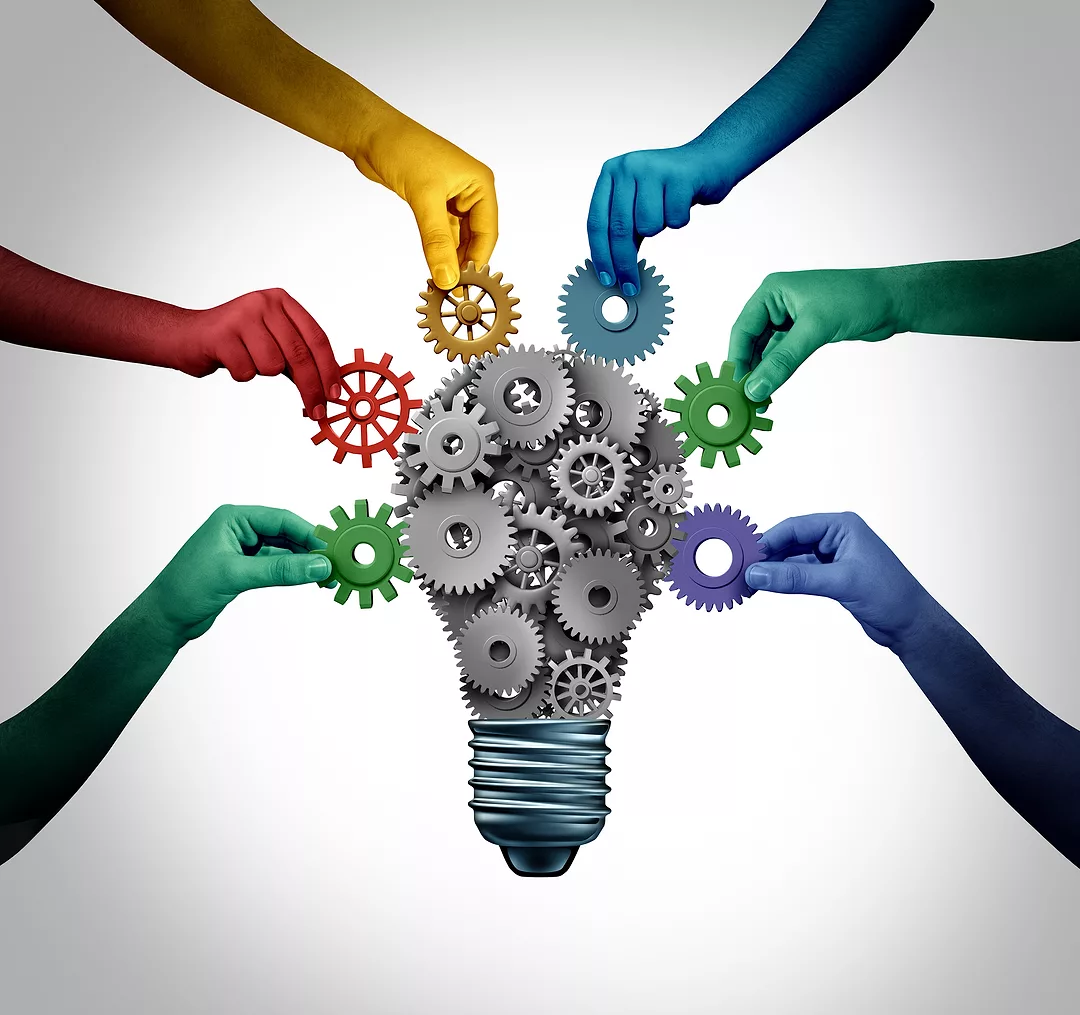
The future belongs to Innovation Advisory Boards (IABs): Multidisciplinary, ecosystem-connected, forward-looking bodies that do far more than validate the science. They co-create it, accelerate it, commercialize it, and integrate it into new business models, partnerships, and scalable long-term platforms. This article explores why the traditional SAB model is in decline and how IABs fill the gap. |
1. Why Scientific Advisory Boards Are Losing Relevance
SABs were built for a different era
Traditional SABs primarily:
- Validate existing science
- Vet claims
- Review research
- Provide academic prestige
- Offer PR-value through expert bios
But they often do not:
- Generate breakthrough product platforms
- Identify future ingredient trends
- Drive sustainability strategy
- Create new business models
- Co-develop technologies with partners
- Translate complex science into consumer-ready, easy to understand innovations
Five structural weaknesses now limiting SAB effectiveness
- Backward-looking orientation: SABs validate data rather than create pathways for future discovery.
- Academic overrepresentation: Many boards are filled with eminent scientists who are experts in research—but not in innovation, commercial execution, or consumer understanding.
- Lack of cross-disciplinarity: Today’s wellness breakthroughs occur at the intersection of metabolomics, delivery science, digital biomarkers, AI, sustainability, and consumer behavior at every life stage.
- Promotion–science tension: SABs often get dragged into marketing, potentially undermining integrity and creating internal misalignment.
- Slow cadence in a fast-moving world: Annual, monthly or even quarterly check-ins are too slow for companies operating in a world where new science, new competitor SKUs, and new regulatory pressures emerge weekly.
This is why forward-thinking companies will now shift toward Innovation Advisory Boards.
2. The Rise of Innovation Advisory Boards (IABs)
What an Innovation Advisory Board does that a SAB cannot
An IAB:
- Identifies white-space categories
- Spots emerging scientific patterns early
- Co-creates new product platforms
- Connects start-ups, suppliers, investors, and clinical partners
- Guides sustainability commitments and regenerative procurement
- Strengthens commercialization pathways
- Creates cross-disciplinary collaboration
- Integrates digital health, AI, and consumer personalization
Who sits on an IAB?
Rather than pure academics, the most effective IABs will include:
- Translational scientists
- Clinical practitioners
- Formulation chemists & delivery-technology experts
- Sustainability/regenerative agriculture experts
- Data scientists specializing in biomarkers & AI
- Consumer-insight strategists
- Investment/venture analysts
- Regulatory futurists
The result is a board that does not just review science—it creates innovation!
FAQs: Innovation Advisory Board
What is an Innovation Advisory Board (IAB)? An Innovation Advisory Board (IAB) is a multidisciplinary group of experts that co-creates new product platforms, identifies emerging scientific trends, and accelerates commercialization in the nutraceutical and functional food industries. IABs integrate science, technology, consumer insights, and business strategy.
How is an Innovation Advisory Board different from a Scientific Advisory Board (SAB)? Scientific Advisory Boards primarily validate existing research, review claims, and provide academic credibility. In contrast, Innovation Advisory Boards go further by generating new ideas, identifying white-space opportunities, and guiding product development, partnerships, and long-term innovation strategy.
What industries are adopting Innovation Advisory Boards? While especially relevant in nutraceuticals and functional foods, Innovation Advisory Boards are increasingly being adopted across health tech, personalized nutrition, biotech, and sustainability-driven consumer goods sectors.
Who should be on an Innovation Advisory Board? An effective IAB includes translational scientists, clinicians, formulation experts, sustainability specialists, data scientists, consumer insight strategists, and business or investment experts. This diversity enables faster, more holistic innovation.
How do Innovation Advisory Boards accelerate product development? IABs shorten development timelines by connecting companies with external partners, identifying emerging science early, and co-developing scalable product platforms that align with consumer demand and regulatory realities.
How can a company transition from a Scientific Advisory Board to an Innovation Advisory Board?Companies can evolve by expanding board composition beyond academics, increasing meeting cadence, focusing on forward-looking innovation goals, and integrating cross-functional expertise that spans science, technology, and commercialization.