RSS
RSS
Vote Now! 2026 Ingredient Choice Awards
July 22, 2026

Purity isn't accidental—it's cultivated from origin. Consumers increasingly seek clean-label, natural, and ethically sourced products—trusting that terms like "organic" guarantee purity and safety.
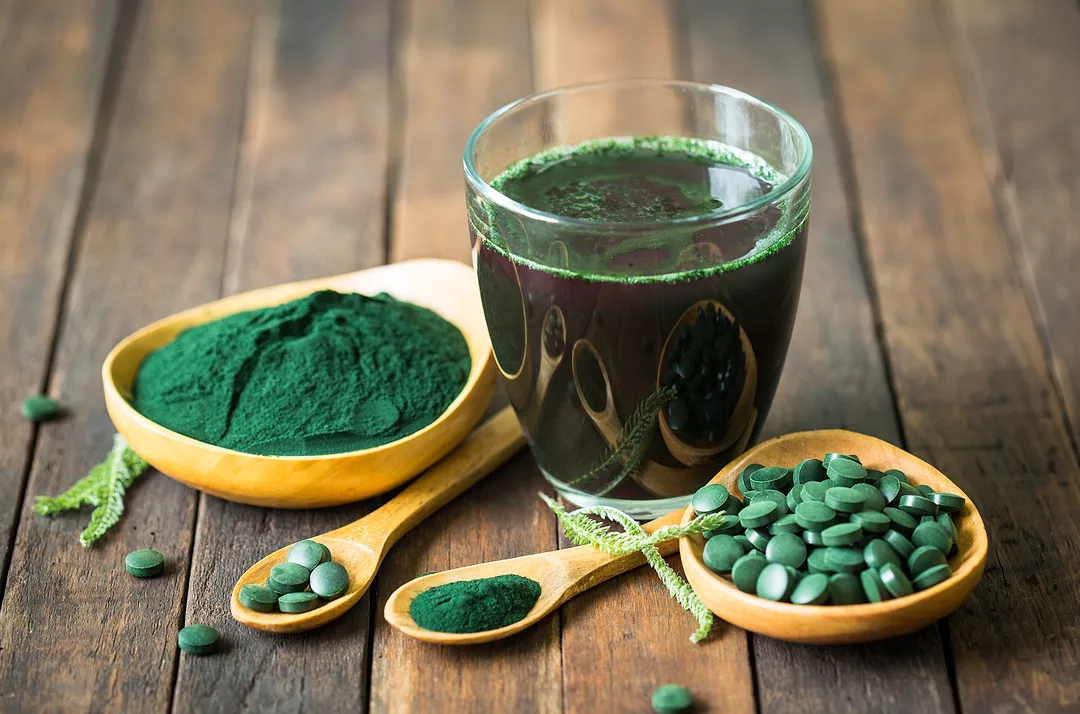
Yet with spirulina—a superfood so nutrient dense, it was studied by NASA to sustain astronauts on long-term space missions--origin plays an even more decisive role. Unlike terrestrial crops grown in soil, spirulina is an aquaculture organism—a water-grown cyanobacterium that absorbs nearly everything from its surrounding environment. This aquatic nature makes spirulina a bioaccumulator, uniquely susceptible to concentrating heavy metals, industrial pollutants, and environmental toxins if grown in compromised conditions. A review of historical studies and Prop 65 notices both highlight lead contamination as a significant concern in organic spirulina products, with findings tracing many affected products to offshore sources.
Spirulina’s incredible resilience stems from its natural ability to survive in extreme environments by absorbing and concentrating nutrients—and toxins—from its surroundings. This powerful bioaccumulation ability has led to spirulina being used in environmental clean-up efforts, where it helps remediate polluted water and soil by absorbing heavy metals and contaminants.
However, what makes spirulina valuable for environmental restoration also makes purity of the growing environment absolutely critical when spirulina is cultivated for human consumption. When spirulina is intended as a nutrient-rich superfood—celebrated for its high protein content, antioxidants, and essential vitamins—it must be grown only in pristine, carefully controlled conditions.
If spirulina is cultivated in contaminated water, it absorbs and concentrates heavy metals like lead—directly transferring those risks into consumer products marketed for health and wellness. This concentration effect is what transforms spirulina from a nutrient-dense superfood into a potential risk—unless grown with exceptional environmental controls and purity standards.
Offshore spirulina farms often rely on inconsistent water quality and the overwhelming majority of spirulina producers do not specify nor disclose their water sources–lacking transparency and rigorous purity standards consumers should expect. Without strict water source identification and testing, plus mandatory heavy metals testing, "organic" labels on imported spirulina offer no assurance against contamination—leaving consumers unknowingly exposed to hidden risks.
This raises a critical concern. USDA organic regulations were developed and centered around terrestrial (soil-based) crops—and fail to effectively and fully apply to aquaculture, such as spirulina cultivation. In 2005, USDA invoked a limit of 20% use of natural/nonsynthetic sodium nitrate as an organic fertilizer, despite Chilean sodium nitrate being a non-synthetic natural source of nitrogen. This limit is effectively a ban on organic spirulina production, because the highly soluble form of nitrogen is required to produce commercial volumes of spirulina. The move stemmed from concerns that, in terrestrial farming, excess sodium nitrate could leach into soil and groundwater; however, in fully contained aquaculture systems such as spirulina ponds, impermeable commercial-grade liners prevent runoff or leaching, making the restriction both unnecessary and detrimental to safe, high-quality spirulina production. The only alternatives are manure-based fertilizers and compost teas, which fail to meet spirulina’s high nitrate requirements for optimal commercial volume growth, and pose serious safety and quality concerns.
Soil-based regulations are simply not designed for aquatic systems. In practice, securing USDA organic certification for spirulina would require either risking product safety or misleading consumers and regulatory authorities. For this reason, the largest commercial producers of spirulina in the United States have refused to market so-called “organic” spirulina. Meanwhile, offshore producers are exploiting regulatory loopholes and consumer appetite to market spirulina as “organic” despite unsafe cultivation practices, regulatory violations, and documented issues with lead contamination. Beyond creating an unfair trade disparity with U.S. producers, the greater concern is the betrayal of consumer trust and a growing supply chain issue related to safety.