Continue To Site >
Quicklinks
  • Ask Whole Foods Mag
  • Magazine Subscription
  • View Back Issues
  • Advertise
  • Education Center
  • Ashwagandha / Shatavari Experience
  • Naturally Informed
  • Move Nutrition
  • India-America Boardroom Series
Free Newsletter Subscription
Ask WholeFoods Mag
  • News
    • All News
    • In Case You Missed It
    • Breaking News
    • Grocery News
    • Dietary Supplements News
    • Supplier News
    • Health & Beauty Aid News
    • Green News
    • Research
  • Features
    • Supplements
    • Grocery
    • Health & Beauty Aids
    • Suppliers
  • Columns
    • Debates
    • Editorial
    • Good Health Reads
    • Happy Customer
    • Herb of the Month
    • Leadership Profiles
    • Legal Tips
    • Mentors
    • Merchandising Insights
    • Recipes
    • Naturally Informed Education
    • The Nutrition Mythbuster
    • Trade Secrets
    • Vitamin Connection
    • What's Selling
    • WholeFoods Blogs
  • Products
    • Dietary Supplements
    • Grocery Products
    • Gourmet Products
    • Health & Beauty Aid Products
    • New Product Reviews
      • 2021 Archives
      • 2019 Archives
      • 2018 Archives
    • Suppliers
  • Multimedia
    • Videos
    • Podcast
    • The Natural View
  • Directory
Ask WholeFoods Mag
  • Log In
  • Register
  • Log Out
  • My Account
Free Newsletter Subscription
Quicklinks
  • Ask Whole Foods Mag
  • Magazine Subscription
  • View Back Issues
  • Advertise
  • Education Center
  • Ashwagandha / Shatavari Experience
  • Naturally Informed
  • Move Nutrition
  • India-America Boardroom Series
Home » Blogs » WholeFoods Magazine » What is an Environmentally Conscious Person?

WholeFoods Magazine
WholeFoods Magazine RSS FeedRSS

Thumbnail sempera    nirmal nair founder and ceo

Nirmal has been thinking about fungi, food and wellness for over a decade, so he bought a farm land with Redwoods “just for fun.” At the time, his day job was CMO at Clickatell, a global technology leader and innovator in mobile messaging and commerce. At Clickatell, he helped build revenues from $50M to over $100M, led the team that launched the game-changing Chat Commerce platform—and coined the term itself—that’s rapidly changing the way we interact with the brands on mobile phones.

But always in the back of this foodie’s mind, was fungi and how he could completely upend it’s visibility and elevate it to its rightful place in the world of fantastic-tasting healthy eating. In 2020, he founded Sempera to do just that. From his initial training as a mechanical engineer to software to digital video to mobile to food and nutrition; Nirmal has built his career paving new paths. He’s got big plans on the horizon for Sempera.

https://semperaorganics.com/

What is an Environmentally Conscious Person?

An environmentally conscious person takes the time to develop three key mindsets, which then leads to three key behaviors.

July 25, 2023
Nirmal Nair, CEO and Founder, Sempera Organics, Inc.
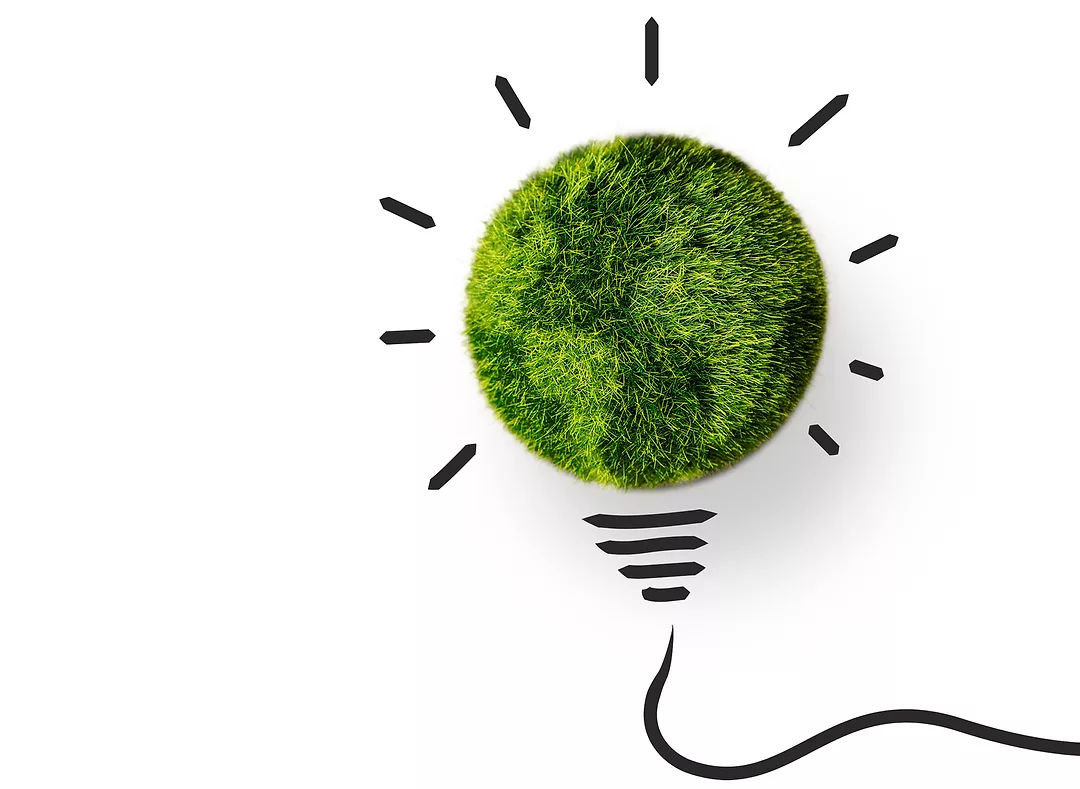
Concept creative idea and innovation with the globe for environment and conservation. Caring for Nature.
Getty Images/iStockphoto

In this third article of our series on The Conscious Consumer, we examine the question: What is an environmentally conscious person? In case you missed reading them earlier, please check out the previous two articles in this series: The Conscious Consumer and Conscious Eating.

As climate change becomes an undeniable reality, the importance of taking care of the environment has become more urgent than ever.

At a high level, we believe that an environmentally conscious person takes the time in their life to develop three key mindsets, which then leads to three key behaviors.


3 Key Mindsets of an Environmentally Conscious Person

  1. They realize their identity does not stop at their own skin level. They have an ability to mentally understand how everything is interconnected, even though they may not be able to see these connections. As described in the previous article on Conscious Eating, the meal you just ate is literally now a part of you. Besides being connected spatially, we are the product of the choices and actions taken by our ancestors many generations ago, and likewise the choices we make now will leave their impact for generations to come. 
  2. They have empathy. Intellectually knowing that we are interconnected across space and time is one key element, but also caring for the suffering of others (potentially still unborn and across different continents) who will be impacted by our everyday choices is another equally key attribute. 
  3. They have an impulse towards coherence in their lives and a desire to make changes. With this knowledge and empathy, the environmentally conscious individual will then have an impulse towards leading a coherent life and will make adjustments whenever necessary. As a simple example: Just because you grew up always using plastic bags at the grocery store, it does not prevent you from making the switch to carry your own multi-use bag.

With these three key mindsets developed, an environmentally conscious person will then engage in three key high-level behaviors.


3 Key Behaviors of an Environmentally Conscious Person

  1. They Mindfully Consume and Conserve. One of the characteristics of an environmentally conscious person is their consumption habits. They prioritize using the resources they need, rather than mindlessly consuming everything in sight. They try to minimize waste and choose to use products that leave a minimal impact on the environment, including products that are easily recyclable, biodegradable, or reusing items that would otherwise be thrown away.
        They make conscious choices to reduce their carbon footprint by opting for more sustainable alternatives, such as electric vehicles, public transport, or bicycles. An environmentally conscious person puts a lot of thought into what they consume, including their food choices.
        They will consciously try to reduce the amount of energy they consume by minimizing their electricity and water usage, ensuring they switch off electronics before they leave the house and using smart appliances. They also conserve natural resources in their daily life by reducing water consumption and recycling as much as possible. An environmentally conscious person tends to avoid single-use products like plastic bottles, straws, and bags.
  2. Sustainably Invest and Grow. An environmentally conscious person is always looking for opportunities to invest in sustainable products. They may choose to purchase products made using recycled materials or natural materials. By investing in environmentally friendly products, they leverage their purchasing power to play an active role in supporting businesses and companies that prioritize sustainability.
        An environmentally conscious person may create their own sustainable garden or participate in a neighborhood collective garden. They also compost non-toxic waste, which decreases the amount of garbage that ends up in landfills and serves as a natural way to create rich, organic soil that can be used in gardening.
  3. Effectively Advocate and Educate. An environmentally conscious person is not just aware of the impact their own actions have, but they're also actively trying to educate others on how and why to make smarter environmentally friendly choices. They use the resources available to learn more about the problems our planet is facing and use the information to spread awareness and encourage others.
        Parallel with education, an environmentally conscious person is an advocate for environmentally friendly policies. They try to educate legislators on the consequences of their actions and influence policies that will help promote sustainability. They try to influence businesses to incorporate environmentally friendly practices into their production processes, resulting in more environmentally friendly and ethical practices and products.

What do you think? Do you agree that these three mindsets and three behaviors would lead to a healthier planet? What else would you add to this list? Please drop a comment or send us an email (ConsciousConsumer@SemperaOrganics.com) and we will feature the most interesting comments from readers in our future articles in this series.


Recommended For You
Latest Publication
CovAcNut26.jpg
2026 Deep Dive Active Nutrition Market
Screenshot_2026-05-26_at_7.47.16_AM.jpg
June/July 2026
CovHeart.jpg
2026 Deep Dive Cardiovascular Health
Screenshot_2026-04-16_at_11.51.39_AM.png
May 2026
Most Popular
  • DOP Venkat8707T01.JPG

    KSM-66 Ashwagandha/Shatavari Experience: Explore Shatavari

    By WholeFoods Magazine Contributor
    June 9, 2026
  • Research-Innovation-GettyImages-2228817853.jpg

    Research Updates: Pet Longevity, Metabolic Health, Stress Relief & More

    By WholeFoods Magazine Staff
    June 11, 2026
  • GettyImages-1356683353.jpg

    In Memoriam: John James Mastel Sr., Founder of Mastel's Health Foods

    By Richard Ortega, Associate Editor, WholeFoods Magazine
    June 9, 2026

WholeFoods Magazine is your one-stop resource for health and nutrition articles. We provide important information regarding industry news, research, and trends.

The Magazine

  • Current Issue
  • Subscribe
  • Renew
  • Change of Address

Information

  • Source Directory
  • Helpful Resources
  • Job Finder

About Us

  • About Us
  • Contact Us
  • Advertise

Social

NOTE: WholeFoods Magazine is a business-to-business publication. Information on this site should not be considered medical advice or a way to diagnose or treat any disease or illness. Always seek the advice of a medical professional before making lifestyle changes, including taking a dietary supplement. The opinions expressed by contributors and experts quoted in articles are not necessarily those of the publisher or editors of WholeFoods.

© Copyright 2026 WFC, Inc. All Rights Reserved.
Privacy PolicyTerms