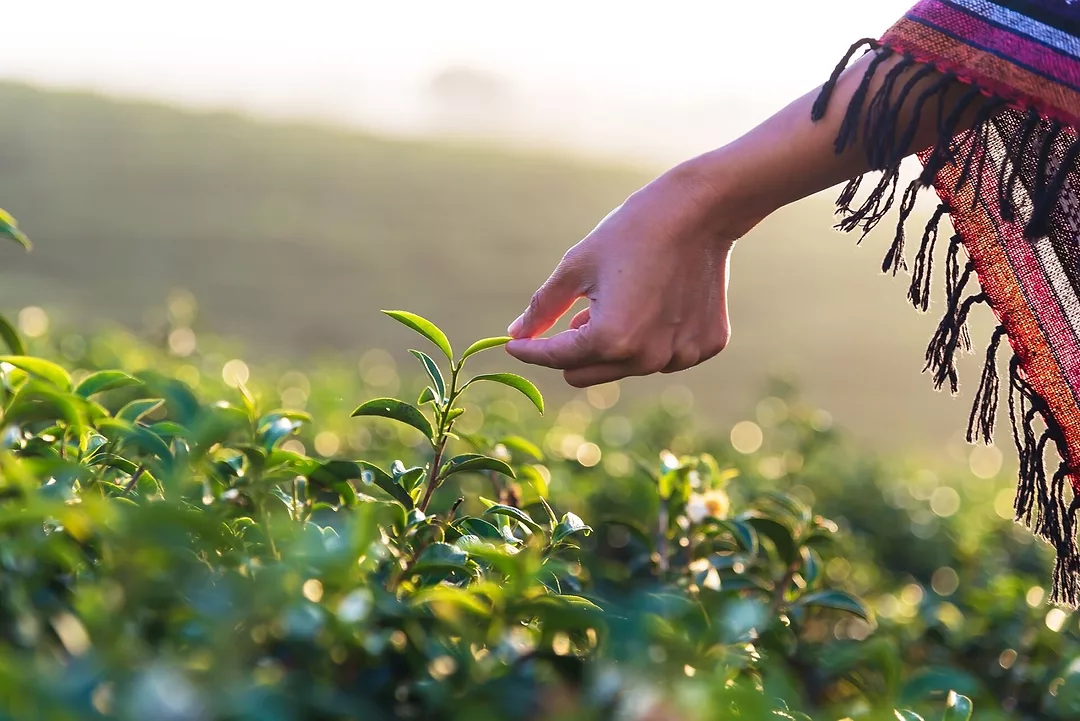
The real threats to the supply chain and the sustainability of the nutrition chain can be summarized in short-term and long-term threats. The short-term threats are the global pandemic, shipping shortages, and war. The long-term issues are more consequential for sustainability and are due to climate change.
Sidestepping the political debate of the existence of climate change, data reveals that climate-related disruption of herbal supply chains is real. We have seen effects on both extremes: Some plants are more available than demanded; others are less available and in high demand. At present, many of the traditional medicinal plants that were available in the late 90s are now difficult to find. This presents a serious challenge to us all to bring forth new products from lesser-known traditional medicines.
The other burning issue is the right to food. When demand for an herbal product increases multi-fold, farmers typically replace traditional food sources with non-local food, to meet the growing demand of herbal products. As advocates of the health and wellness industry, how can we justify that stakeholders—farmers and gatherers—revert to malnutrition and hunger in order to serve our demands?
Current & Future Supply Chain Issues
Current events, and future changes to the environment, have astounding effects on the availability of herbal medicines. Global pandemics (COVID, SARS, Zika), natural disasters, and even wars have caused shipping shortages and disruption for the current state of the supply chain.
It has become more evident that the culprit for long-term effects on the supply chain is climate change. The plant growth cycles for cultivated, as well as wildcrafted, herbs is irregular. With weather conditions also being unpredictable due to climate change, it can prove difficult for farmers to gather enough material to meet growing demands. Therefore the problem is two-fold: plant supply and quality.
Agriculture Sector: The Problem or Solution?
According to the UN, 17% of global greenhouse gas emissions come from the agriculture sector, making it the key contributor to climate change. Though this sector is extremely vulnerable to climate change—with droughts, floods, and longer fire seasons providing challenges to farmers—the problem can be a part of the solution.
We must act now by reducing our emissions from the agriculture sector, investing in renewable energy (solar and wind power), reducing deforestation, and improving soil health. If we take these actions, we can negate the effects of climate change, helping to build a more resilient food system for our planet and future generations.
Climate Change: Pros and Cons
There are both positive and negative effects of climate change on the agriculture industry: Some plants are more available than they should be; alternatively others have become less accessible and higher in demand.
Current negative effects of climate change can be seen with plant growth cycles. The irregular growth cycles for cultivated and wildcrafted herbs make it difficult to predict how much bioactive material can be extracted. This variability makes it challenging to plan for and meet the demand for herbal medicines, especially with adverse weather conditions created by climate change.
It has now become cheaper to ship processed herbal products long distances than it is to grow them locally, leading to a large carbon footprint, and taking the resources away from the regional areas that still rely on traditional herbal medicines rather than western practices. We are also met with the dilemma of the COVID-19 pandemic exacerbating shipping shortages, and highlighting the importance of local and regional supply chains in keeping communities fed during times of crisis
Demand vs. Health
Recently, there has been growing demand for medicinal plants, due to their important role in human health. With this increasing pressure on the traditional sources, the “only solution” would be to increase production using modern tools and techniques to gather ingredients. Although, increase in production can cause a strain on the environment and resources.
Agroecology, on the other hand, accounts for both production and consumption, providing a more interconnected approach, which helps to reduce costs, ensure continuous supplies, and helps build resilience to the effects of climate change.
Agroecology: Benefits & Challenges
Agroecology is known as the branch of agriculture that looks at the ecological impact of our farming and food production methods. From the interactions between the soil, water, plants, and animals—the whole system is analyzed.
The overall goal of agroecology is to benefit the environment by combining traditional knowledge and modern science.
The benefits are numerous:
reduced reliance on chemical inputs like fertilizers and pesticides
improved overall soil health
greater biodiversity.
The challenges lie with the expenses of switching to agroecology, producing enough food to meet demand, and the overall resistance to change.
Regardless of the benefits and challenges, agroecology is gaining popularity for its sustainability, and has great potential to provide more sustainable and resilient sources of medicinal plants. If properly supported and invested by consumers, farmers and government officials, it can reshape the way we grow our food and manage our natural resources.
Equal Nutrition Access
Due to COVID-19, it has become even more important to be conscientious about the source of our ingredients and how our actions can affect everyone throughout the supply chain.
Ultimately it depends on our values. Do we, as a society, want to live in a world with equal access to nutritious food? If so, we must speak out and work together to ensure the sustainability of our nutrition supply chain, so that everyone has equal access to a healthy life.
 RSS
RSS