When it comes to eating for optimal health, certain choices are givens: People think fish for omega-3 fatty acids, nuts for plant protein, and yogurt for probiotics, to name a few. To support vision health specifically, carrots get all the glory, thanks to mainstream awareness of their Vitamin A and carotenoid actives. However, they aren’t the only option.
The Power of Purple
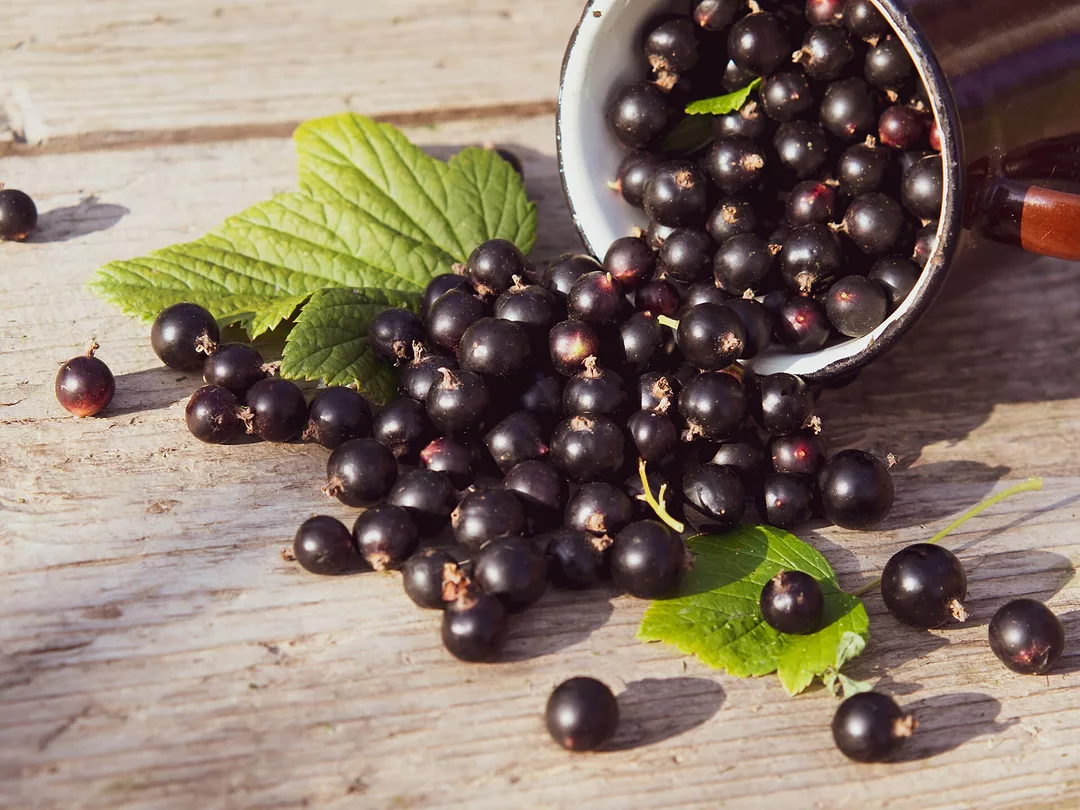
Yes, bright orange and yellow foods contain vision-promoting properties. But purple ones do, as well, and should be similarly lauded. The color pigments that give dark berries their deep, rich purple-blue-red hues—called anthocyanins—are also phytonutrient actives that contribute to a wide array of berry health benefits. A combination of time-honored anecdotal evidence and now modern scientific research proves the ability of dark berry actives to support healthy vision in a variety of ways.
A New Look at an Old Problem
In the past, vision health was often viewed through the lens of aging, because passing years and decades can bring free radical damage and physical changes that negatively impact our vision and eye health. Typically, age-related conditions such as cataracts, glaucoma, and macular degeneration drove consumers to seek out foods and supplements specifically intended to aid aging eyes.
However, as computers, tablets and smartphones have become inexorably intertwined with day-to-day life in our culture, and screen time has risen, so, too, has digital eye fatigue. The COVID-19 pandemic only intensified this, as suddenly, even more people spent hours every day fixated on screens for virtual work and school. Complaints of blurred vision, double vision, and dry eye became even more commonplace.
This was predictable, based on observable eye strain symptoms among participants in the highly competitive e-sports and casual gaming industries, both of which have grown significantly over the past several decades. As a result of these key developments, the overall category of vision health now applies to a broad spectrum of ages and life stages. Supplements that are targeted to support screen-weary eyes represent a huge growth opportunity in today’s market.
What About the Science?
The concept of dark berries helping to support vision is not new. For instance, anecdotally, WWII fighter pilots reportedly ate bilberry jam to help improve their night vision. Today’s science has caught up, helping to confirm and explain the vision benefits of dark berry phytonutrients on human subjects.
For example, in one study, blueberry anthocyanins exhibited protective effects against diabetes-induced damage in endothelial cells in the retina (Huang, 2018). Black currant has been found to increase ocular blood flow and modulate inflammatory cytokines to normal levels (Ohguro, 2012; Yoshida, 2013). A preliminary study also revealed that black currant improved screen-induced eye fatigue within a single day in human subjects (Nakaishi, 2000).
Bright Findings on Black Currant Extract
Data from an exciting new study further reinforces the clinical vision benefits of black currant.The Franklin Health Research Center conducted an independent, 3rd party clinical investigation into the effects of black currant extract on symptoms of digital eye fatigue.
The randomized, double-blind, placebo-controlled clinical trial (Hawkins, pending publication) was conducted in the United States in 2021.The study included 61 adult female participants, aged 30-59 years old, who worked or studied 6 hours or more per day in front of a screen.
Participants were divided into two groups. The intervention group consumed two capsules of standardized black currant extract each day for 10 weeks (totaling 445 mg per day), and the placebo group consumed two identical, yet inert placebo capsules each day, also for 10 weeks. The black currant capsules were standardized to contain 11% anthocyanins, providing a daily dose of 50 mg of anthocyanins.
On day 70 of treatment, an Ocular Discomfort Questionnaire was used to assess symptoms of digital eye fatigue including blurred vision, dry eye, and eye strain. By the end of the trial, trial participants in the black currant group saw a 29.9% reduction in symptoms of blurry vision. These statistically significant results demonstrated that black currant supplementation fostered remarkable improvement in digital eye fatigue.
It was also noted that while not statistically significant per se, the intervention group also experienced marked improvement in dry eye and eye strain. In the future, a larger study could be powered to identify if statistical significance could be achieved in these parameters as well.
All Eyes on Black Currant
Thanks to newly released clinical findings, this much is clear: Dark berries—most specifically black currant—offer great potential to support healthy vision through dietary supplementation. The research is especially relevant for anyone prone to regularly spending long periods of time focused on screens for professional or personal purposes, or both.
Formulation Facts
High-anthocyanin berries, especially black currants, are generally not eaten raw because of their tart, astringent flavor—but they are ripe for formulating dietary supplements and functional foods and beverages. Black currant extracts or juice powder is suitable for use in capsules, tablets, gummies, drink mixes and more.
Decision Made
Given the scientific evidence, choosing to incorporate black currant into a formula is a straightforward decision. It is easily used in finished products such as food, beverages, and supplements. But navigating the complex market can be hard.
As with every functional ingredient, purity and efficacy are key, making due diligence essential. Buyers must research both product and manufacturer, paying special attention to chain of custody to feel confident that authentic raw materials are being used to make ingredients.
Verifying processing methodologies is also critical, to ensure that berries are being processed in a way that retains complementary compounds. In short, sourcing black currant from a reputable supplier helps ensure quality.
Seeing the Future
According to Datareportal.com’s Digital 2022 Global Overview Report, Internet users aged 16 to 64 spend 6 hours and 58 minutes each day engaged with different kinds of media and devices.
Computers, tablets, and smartphones provide more than ample means for connected digital pursuits including remote work, virtual education, social media interaction, gaming and esports activities. Clearly, eye strain is a real concern. Black currant can offer sorely needed relief.
References:
Hawkins, J., et al. (2022). Pending publication.
Huang, W., Yan, Z., Li, D., Ma, Y., Zhou, J., & Sui, Z. (2018). Antioxidant and anti-inflammatory effects of blueberry anthocyanins on high glucose-induced human retinal capillary endothelial cells. Oxid Med Cell Longev. 2018: 1862462.
Nakaishi, H., Matsumoto, H., Tominaga, S., & Hirayama, M. (2000). Effects of black currant anthocyanoside intake on dark adaptation and VDT work-induced transient refractive alteration in healthy humans. Altern Med Rev. 5(6): 553-62.
Ohguro, H., Ohguro, I., Katai, M., & Tanaka, S. (2012). Two-year randomized, placebo-controlled study of black currant anthocyanins on visual field in glaucoma. Opthalmologica. 228(1): 26-35.
Yoshida, K., Ohguro, I., & Ohguro, H. (2013). Black currant anthocyanins normalized abnormal levels of serum concentrations of endothelin-1 in patients with glaucoma. J Ocul Pharmacol Ther. 29(5): 480-7.
 RSS
RSS