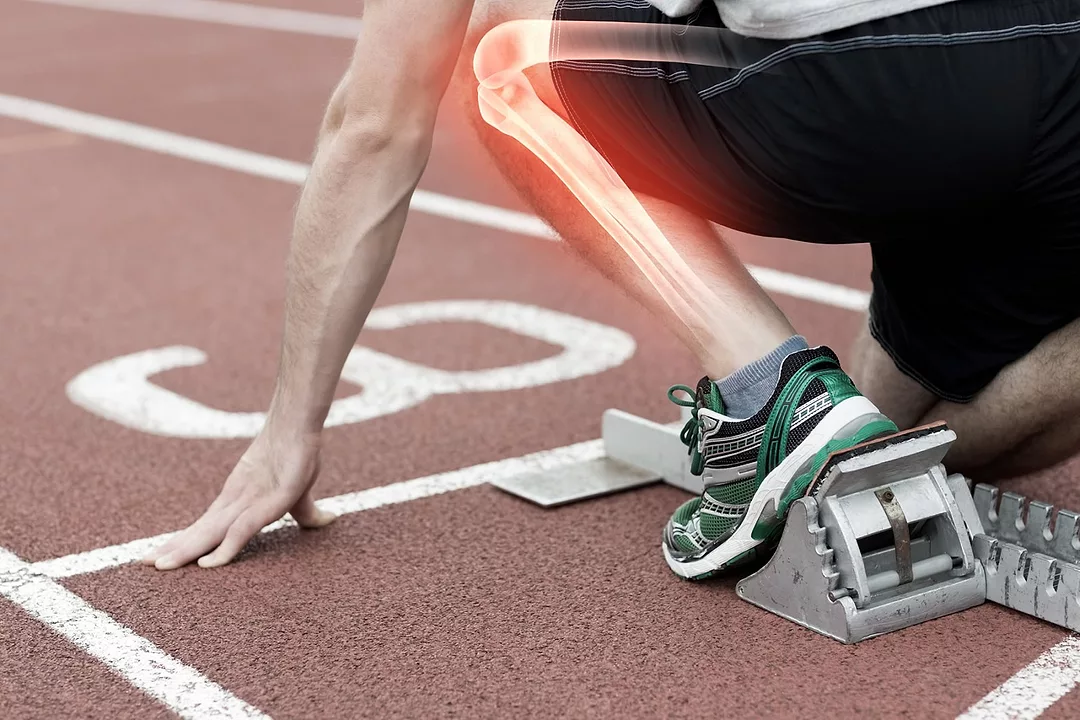
Seniors have, and still remain, focused on joint health. However, younger age groups are increasingly interested in maintaining mobility and flexibility earlier in life to remain active well into their golden years. Remaining “active” is one reason why younger demographics are interested in supplements that reduce age-related joint conditions later. Another reason is closely aligned with sports performance as fitness enthusiasts and athletes are looking to enhance their workouts, support recovery and help support healthy joints as well.
What all these demographics have in common is a need to provide ingredients with high bioavailability and proven efficacy. Chondroitin sulfate, glucosamine, boswellia, MSM, and type II collagen are just a few ingredients associated with joint health, while protein, nitric oxide boosters, branch chain amino acids capsicum extract are popular ingredients for sports nutrition. Curcumin is unique because it can straddle the needs of active people – delivering both joint health and sports nutrition benefits in one convenient ingredient.
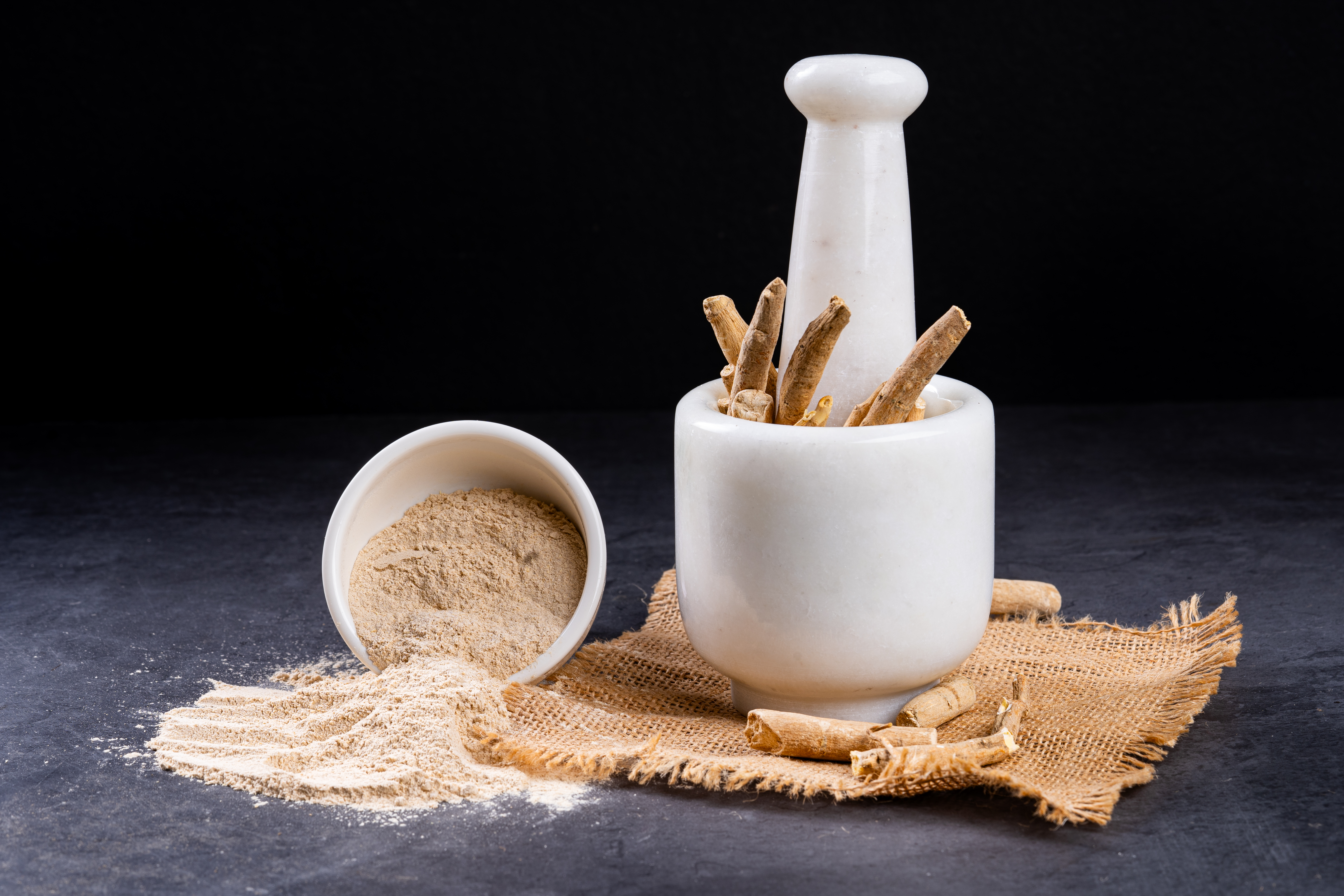
Curcuminoids are the fat-soluble, polyphenolic pigments found in turmeric (Curcuma longa) and impart the vibrant color and savory flavor to many curry powders, mustards and sauces. They are also the bioactive components in turmeric and composed of a mixture of three curcuminoids:
Curcumin
Demethoxycurcumin
Bisdemethoxycurcumin
Out of the three, curcumin is the most recognized and abundant. Turmeric is grown abundantly throughout tropical and subtropical regions of the world and widely cultivated in Southeast Asian countries such as India and China. As a potent antioxidant, curcumin has been shown to have anti-inflammatory properties and, as the principal curcuminoid found in turmeric — is generally considered its most active constituent of the three.
So how does curcumin reach beyond the needs of seniors and help the healthy, active adult? Although exercising in itself is a healthful activity, it can cause the production of free radicals, which is linked to inflammation. However, recent studies have shown that curcumin may help protect against exercised-induced oxidative stress. And because curcumin has been shown to support joint health and promote a healthy inflammatory response after vigorous exercise, expanding it into the sports nutrition and healthy lifestyle markets has been the logical next step to help with performance and recovery. When choosing a curcumin product look for “higher bioavailability” formulas since conventional curcumin powders are poorly soluble and absorbed. There are a growing number of formulas on the market addressing absorption, including one that has been shown to be 46-times more bioavailability over standard curcumin and patented for sports nutrition and athletic performance as well as muscle recovery and stamina.
The science speaks for itself—supplementing with bioavailable curcumin is a great option not only for seniors interested in maintaining health as they age but also adults living a healthy active lifestyle.
References
Li S, Yuan W, Deng G, Wang P, Yang P, Aggarwal BB: Chemical composition and product quality control of turmeric (Curcuma longa L.). Pharmaceutical Crops 2011, 2:28-54.
Ataie A, Sabetkasaei M, Haghparast A, Moghaddam A, Kazeminejad B: Neuroprotective effects of the polyphenolic antioxidant agent, Curcumin, against homocysteine-induced cognitive impairment and oxidative stress in the rat. Pharmacol Biochem Behav 2010, 96:378-385.
Naik S, Thakare V, Patil S: Protective effect of curcumin on experimentally induced inflammation, hepatotoxicity and cardiotoxicity in rats: evidence of its antioxidant property. Exp Toxicol Pathol 2011, 63:419-431.
Deshpande J, Shankaranarayanan J, Bhanuprakash RG, Sreenivasa RS, Juturu V. Soluble Curcumin in the Prevention of Diabetic Retinopathy via Modulation of Anti-Oxidant Activity and Genetic Pathways – In Vivo Model. Adv Ophthalmol Vis Syst. 2015 3(1): 00077. (in vivo)
Sahin K, Pala R, Tuzcu M, Ozdemir O, Orhan C, Sahin N, Juturu V. Curcumin prevents muscle damage by regulating NF-κB and Nrf2 pathways and improves performance: an in vivo model. J Inflamm Res. 2016 Aug 29;9:147-54. (in vivo)
A Randomized, Double-Blind, Placebo-Controlled Study to Evaluate the Effects of a Technology Enhanced Curcumin on Markers of Performance, Muscle Damage, and Inflammation
 RSS
RSS