Continue To Site >
Quicklinks
  • Ask Whole Foods Mag
  • Magazine Subscription
  • View Back Issues
  • Advertise
  • Education Center
  • Ashwagandha / Shatavari Experience
  • Naturally Informed
  • Move Nutrition
  • India-America Boardroom Series
Free Newsletter Subscription
Ask WholeFoods Mag
  • News
    • All News
    • In Case You Missed It
    • Breaking News
    • Grocery News
    • Dietary Supplements News
    • Supplier News
    • Health & Beauty Aid News
    • Green News
    • Research
  • Features
    • Supplements
    • Grocery
    • Health & Beauty Aids
    • Suppliers
  • Columns
    • Debates
    • Editorial
    • Good Health Reads
    • Happy Customer
    • Herb of the Month
    • Leadership Profiles
    • Legal Tips
    • Mentors
    • Merchandising Insights
    • Recipes
    • Naturally Informed Education
    • The Nutrition Mythbuster
    • Trade Secrets
    • Vitamin Connection
    • What's Selling
    • WholeFoods Blogs
  • Products
    • Dietary Supplements
    • Grocery Products
    • Gourmet Products
    • Health & Beauty Aid Products
    • New Product Reviews
      • 2021 Archives
      • 2019 Archives
      • 2018 Archives
    • Suppliers
  • Multimedia
    • Videos
    • Podcast
    • The Natural View
  • Directory
Ask WholeFoods Mag
  • Log In
  • Register
  • Log Out
  • My Account
Free Newsletter Subscription
Quicklinks
  • Ask Whole Foods Mag
  • Magazine Subscription
  • View Back Issues
  • Advertise
  • Education Center
  • Ashwagandha / Shatavari Experience
  • Naturally Informed
  • Move Nutrition
  • India-America Boardroom Series
Home » Blogs » WholeFoods Magazine » Essential Minerals for Good Health

WholeFoods Magazine
WholeFoods Magazine RSS FeedRSS

Essential Minerals for Good Health

October 25, 2016
Simi Summer and Simi Summer, Ph.D.
As nationwide programs including My Plate and Fruits & Veggies – More Matters continue to emphasize the importance of a nutritious diet full of fresh fruits and vegetables, the importance of organic and natural foods and supplements continues to be paramount. Although most Americans include a multi-vitamin in their natural products shopping cart (reflecting the fifty percent of surveyed Americans reporting that they take vitamins regularly) the importance of trace minerals can be an overlooked factor. Minerals are another must-have which are essential for good nutritional health.

Some natural health practitioners report that every sickness and disease can be traced to a deficiency of trace minerals, citing the fact that 94% of Americans don't eat enough fruits and vegetables to meet minimum required daily allowances. This may in part be linked to mineral deficiencies in depleted soils used for conventional crop production, another reason to seek out certified organic produce. Two time Nobel Prize recipient Linus Pauling, PhD, famous for making headlines by addressing the common cold with high doses of Vitamin C, presented his views on mineral deficiencies echoing the voice of historic congressional records.

“The alarming fact is that fruits, vegetables and grain now being raised on millions of acres of land that no longer contain enough of certain minerals are starving us—no matter how much of them we eat. No man of today can eat enough fruits and vegetables to supply his system with the minerals he requires for perfect health because his stomach isn’t big enough to hold them.” – Senate Document 264 (Regarding mineral deficiencies affecting U.S. farmland, 1936.)
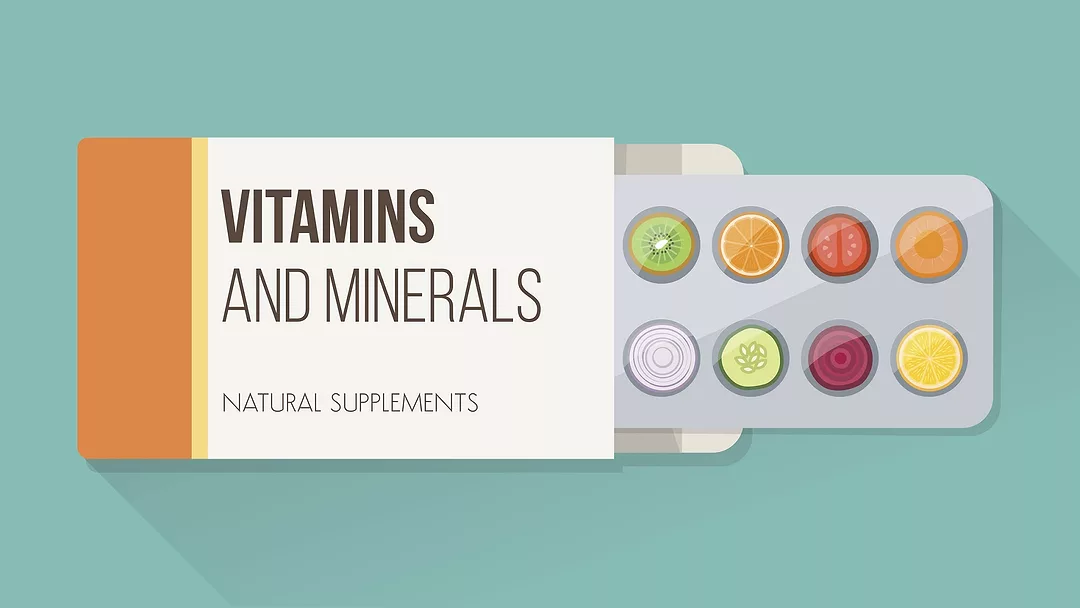
Researchers today point out that 1,000s of bio-chemical processes in the body rely on minerals working synergistically to support a variety of essential bodily functions. The most important vitamins and minerals include Vitamins C, D, E, the B complex, calcium, copper, iron, magnesium, manganese, selenium, zinc, phosphorous and potassium. These vital nutrients are responsible for healthy eye and skin health, bone and tooth development, healthy blood cells and clotting, muscle development, brain function, circulation, metabolic functions, digestive functions, stress reduction, healthy nerve function and more.

Potassium is an important component for good health since adequate potassium levels are responsible for proper functioning of cells, tissues and organs, maintaining fluid balance and regulating heart rhythm and muscle contraction. However, researchers have found that the normal American diet tends to be potassium deficient. With less than 2% of adults achieving the recommended daily potassium consumption, the recommended daily allowance is currently 4.7000 mg for adults. A link between potassium and sodium consumption was also noted.

Sodium Consumption and Your Health

According to Centers for Disease Control and Prevention (2016), excess sodium intake was found to be common in the U.S. The study commented that almost all Americans consume more sodium than is recommended for a healthy diet with 90 percent consuming excess sodium in manufactured and restaurant foods. As a result the 2015 -2020 Dietary Guidelines for Americans recommends limiting sodium to less than 2,300 mg per day for people over the age of 14 due to the effects of excess sodium intake on high blood pressure, a major risk factor for heart disease and stroke. Sodium consumption was found to be highest in those most at risk for heart disease.

Many food companies have started to voluntarily reduce sodium in their products amidst efforts to get the entire food industry to take similar action. One in three American adults have high blood pressure and of those only half have it under control. Because heart disease, stroke and other cardiovascular disease are responsible for the mortality of more than 800,000 annually, health care costs in these categories have skyrocketed to nearly $320 billion a year.

Potassium and High Sodium Diets

The good news is that potassium rich foods can help address high blood pressure and the harmful effects of high sodium diets. Healthy potassium levels can act as a preventative for heart disease. A potassium rich diet has also been positively correlated with increased bone mineral density and helpful to aging women concerned about osteoporosis. Potassium rich foods include bananas, sweet potatoes, beet greens, avocados, acorn squash, plain non-fat yogurt, coconut water, white beans and dried fruits such as apricots, peaches and figs. Many nutritionists consider potassium to be one of the world's healthiest minerals although consumers must take care to avoid potassium levels which are too high as well as potassium deficiencies. Potassium is an electrolyte and a proper balance between sodium and potassium levels is an important component for good health.

So when you are considering your family's health, consume adequate amounts of fresh organic fruits, vegetables, whole grains, beans, nuts, and dairy products and be sure that essential vitamins and minerals are included on a daily basis. It is important to mind your minerals for radiant and vibrant health! Remember that natural and organic supplements, in addition to daily consumption of fresh whole organic foods, can support nutritional balance and promote a new level of vitality for every member of your family for many years to come.

Simi Summer, Ph.D. is an organic advocate, independent researcher, educator, and freelance writer. She is a strong proponent of organic consumer education and informed consumer choices.
Recommended For You
Latest Publication
CovAcNut26.jpg
2026 Deep Dive Active Nutrition Market
Screenshot_2026-05-26_at_7.47.16_AM.jpg
June/July 2026
CovHeart.jpg
2026 Deep Dive Cardiovascular Health
Screenshot_2026-04-16_at_11.51.39_AM.png
May 2026
Most Popular
  • DOP Venkat8707T01.JPG

    KSM-66 Ashwagandha/Shatavari Experience: Explore Shatavari

    By WholeFoods Magazine Contributor
    June 9, 2026
  • Research-Innovation-GettyImages-2228817853.jpg

    Research Updates: Pet Longevity, Metabolic Health, Stress Relief & More

    By WholeFoods Magazine Staff
    June 11, 2026
  • GettyImages-1356683353.jpg

    In Memoriam: John James Mastel Sr., Founder of Mastel's Health Foods

    By Richard Ortega, Associate Editor, WholeFoods Magazine
    June 9, 2026

WholeFoods Magazine is your one-stop resource for health and nutrition articles. We provide important information regarding industry news, research, and trends.

The Magazine

  • Current Issue
  • Subscribe
  • Renew
  • Change of Address

Information

  • Source Directory
  • Helpful Resources
  • Job Finder

About Us

  • About Us
  • Contact Us
  • Advertise

Social

NOTE: WholeFoods Magazine is a business-to-business publication. Information on this site should not be considered medical advice or a way to diagnose or treat any disease or illness. Always seek the advice of a medical professional before making lifestyle changes, including taking a dietary supplement. The opinions expressed by contributors and experts quoted in articles are not necessarily those of the publisher or editors of WholeFoods.

© Copyright 2026 WFC, Inc. All Rights Reserved.
Privacy PolicyTerms