Top Kids' Health Priorities for 2026
|
Parents today have no shortage of concerns to address when it comes to protecting their children’s health. Whether it’s clean-label snacks or a supplement to help ease them into bedtime, the market is flooded with products marketed to address common concerns. We connected with industry insiders for an updated perspective on what is resonating most with parents today, and what is on the horizon.
Top Priorities Shaping Kids’ Nutrition
As we head into back-to-school season, parents are intent on setting their kids up for success. “The two biggest priorities we continue to see in kids’ health are cognitive development and immune support,” reports Ståle Søfting, Chief Commercial Officer, GC Rieber VivoMega. “Parents are increasingly looking for nutritional solutions that can help support focus, learning, mood, and overall brain function, while also contributing to immune resilience and everyday wellness.”
Indeed, six years after the COVID-19 pandemic, immune support remains in high demand. “Immune health is one health concern that has become a baseline expectation for parents since the pandemic, with the global immune health supplement market expanding rapidly on the back of sustained consumer interest,” explains Nadia Ustinova, Global Innovation Marketing Manager - Early Life Nutrition at FrieslandCampina Ingredients. “Our own research, spanning 11 markets and over 150 parent participants, confirms that immunity ranks in the top three parental health concerns in every single country studied. This makes it the single most universal priority across regions, cultures and income levels. For brands, that’s a clear and consistent brief.”
While immune support remains foundational, there has been a shift within the category, adds Dr. Stacey Smith, Senior Medical Affairs Liaison, Gnosis by Lesaffre. “While always a priority, this concern has evolved. It’s no longer just about ‘boosting’ immunity seasonally, but about foundational, year-round support, with a primary focus on the gut as the center of immunity. Post-pandemic heightened awareness, desire to reduce school-day illnesses, and growing scientific understanding of the microbiome’s role in overall health.”
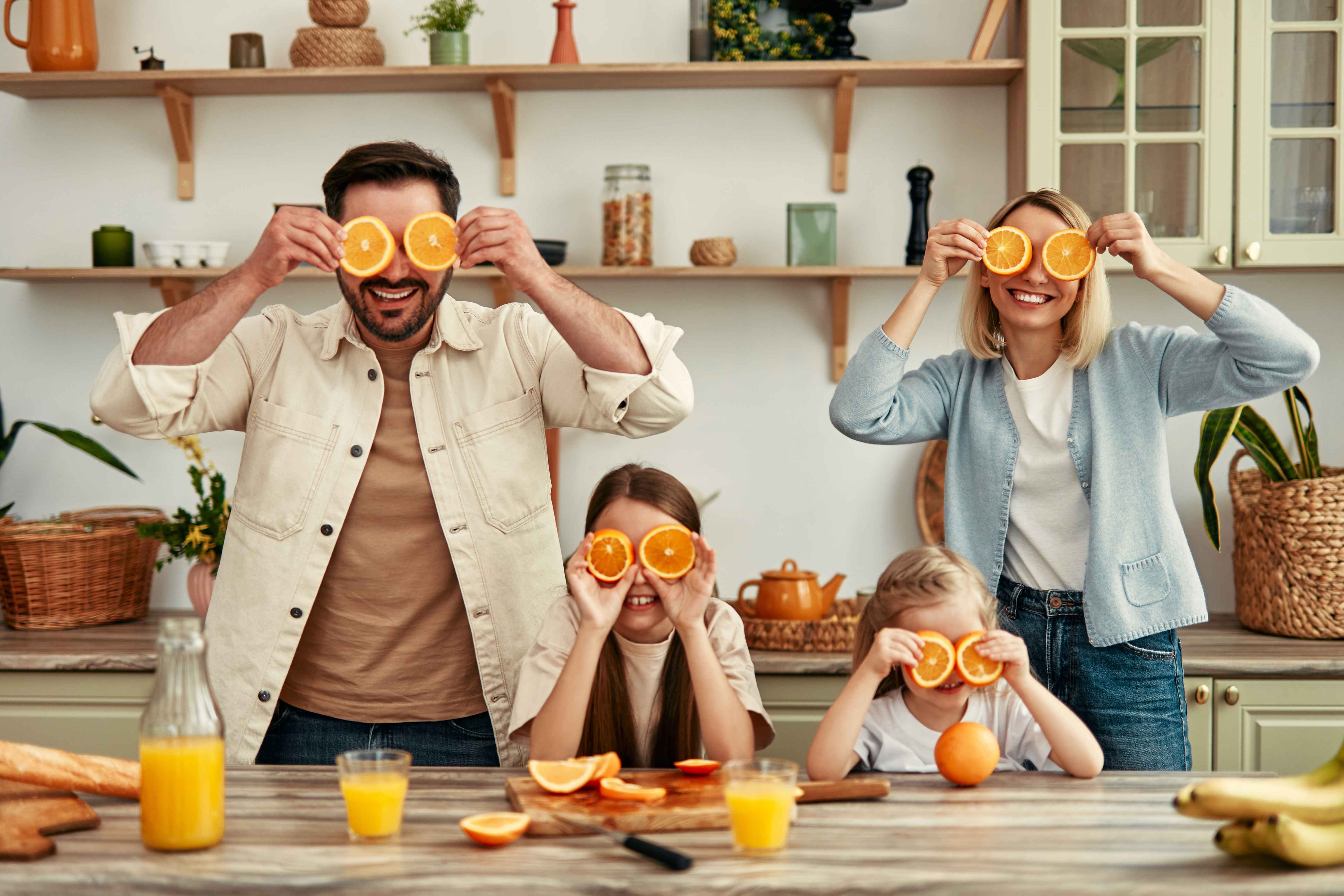 Experts say immune support remains a top priority for parents.
Another important goal for parents: “Brands are looking beyond height and weight to support bone development, cognitive health, physical performance, and overall development during critical growth periods,” says Dr. Smith. “Nutrients such as vitamin D, vitamin K2, calcium, magnesium, protein, omega-3 fatty acids, and folate are increasingly being incorporated into formulations designed to support healthy development from childhood through adolescence. Parents are seeking science-backed solutions that help establish a strong foundation for lifelong health.”
Additional emerging and evolving factors for the industry to factor in: earning consumer trust on ingredients and keeping up with a palate that has shifted, maintains Tony Davis, Founder and CEO of Bakeful. “On the ingredient side, the regulatory environment is finally catching up to consumer standards—the U.S. is moving to ban eight artificial food dyes by the end of 2026, which is accelerating reformulation decisions across the industry. For brands like Bakeful, that was never a concern because we were built around clean, real, and non-GMO ingredients from the start. The bigger challenge is actually the second one—understanding that the American palate has quietly evolved, and that sweeter is no longer better. Research shows 75% of consumers are looking to limit their sugar intake. The brand challenge is whether you replace sugar with something else, or simply use less of it.”
In addition to minimizing high-glycemic sugars without compromising on product quality, brand formulators are moving away from ultra-processed foods (UPFs) and artificial ingredients toward cleaner, more natural formulations, says Denisse Colindres, Senior Manager for Nutrition Communication, Americas at BENEO.
In the process of making that shift, keeping a product’s quality intact is of the utmost importance, stresses Davis, who notes that “the second you compromise on taste, you need to be offering something else as part of that pre-emptive apology.” That better-for-you mea culpa often comes in the form of a boost of protein or fiber.
That said, Davis adds: “There’s a massive opportunity for products that deliver a genuinely satisfying eating experience without overwhelming sweetness—not by substituting artificial or natural sweeteners, but by simply making a product that has been calibrated to taste just right. Consumers know the difference between a real donut and a protein bar that’s shaped like one.”
Brands are exploring tasty ways to boost the nutritional profile of their products, agrees Shepherd. “For example, they are adding chopped vegetables to the chicken or adding high-protein dairy to the breading. Our Applegate Naturals Lightly Breaded Popcorn Chicken and Chicken Tenders are lightly breaded with a rice flour coating that still delivers a crispy texture and craveable flavor.”
When it comes to hydration, the added value also comes in the form of a nutrient boost. “At Wave Kids, we believe the healthiest beverage for kids is water, which is why our focus is on making water exciting enough that kids choose it on their own,” shares Shelly Garg, Founder of Wave Kids. She notes that as consumers become more aware of research highlighting the importance of hydration for children’s health, focus, and overall well-being, brands are exploring ways to support hydration beyond plain water through ingredients such as electrolytes, trace minerals, and natural hydration-supporting components like coconut water.
The Science Behind Kids’ Nutrition Innovation
Scientific support is now the biggest starting point for kids’ wellness product developers. “Research focused on nutritional science has become a critical component when developing and proving a new whole food dietary supplement product,” affirms Weston Bussler, Ph.D., Product Development Manager, Standard Process. “More specifically, there is growing evidence and recognition that human health is really influenced by interconnected biological systems rather than isolated nutrients or single pathways.”
Case in point: “There is growing interest in the relationship between nutrition, the gut microbiome, and overall well-being, reflecting a broader shift toward more holistic approaches to children’s health,” reports Søfting.
Tying all of this together, Justin Green, Ph.D., Scientific Affairs Lead for EpiCor, Cargill, says, “For brands interested in supporting children’s wellness, it’s important to recognize that parents want products that balance scientific credibility with convenience and familiarity. Formats children already enjoy, such as gummies, yogurt, nutrition bars and snacks, can help make wellness routines easier to maintain, provided efficacy and safety remain the foundation.”
Overcoming Challenges in the Kids' Nutrition Space
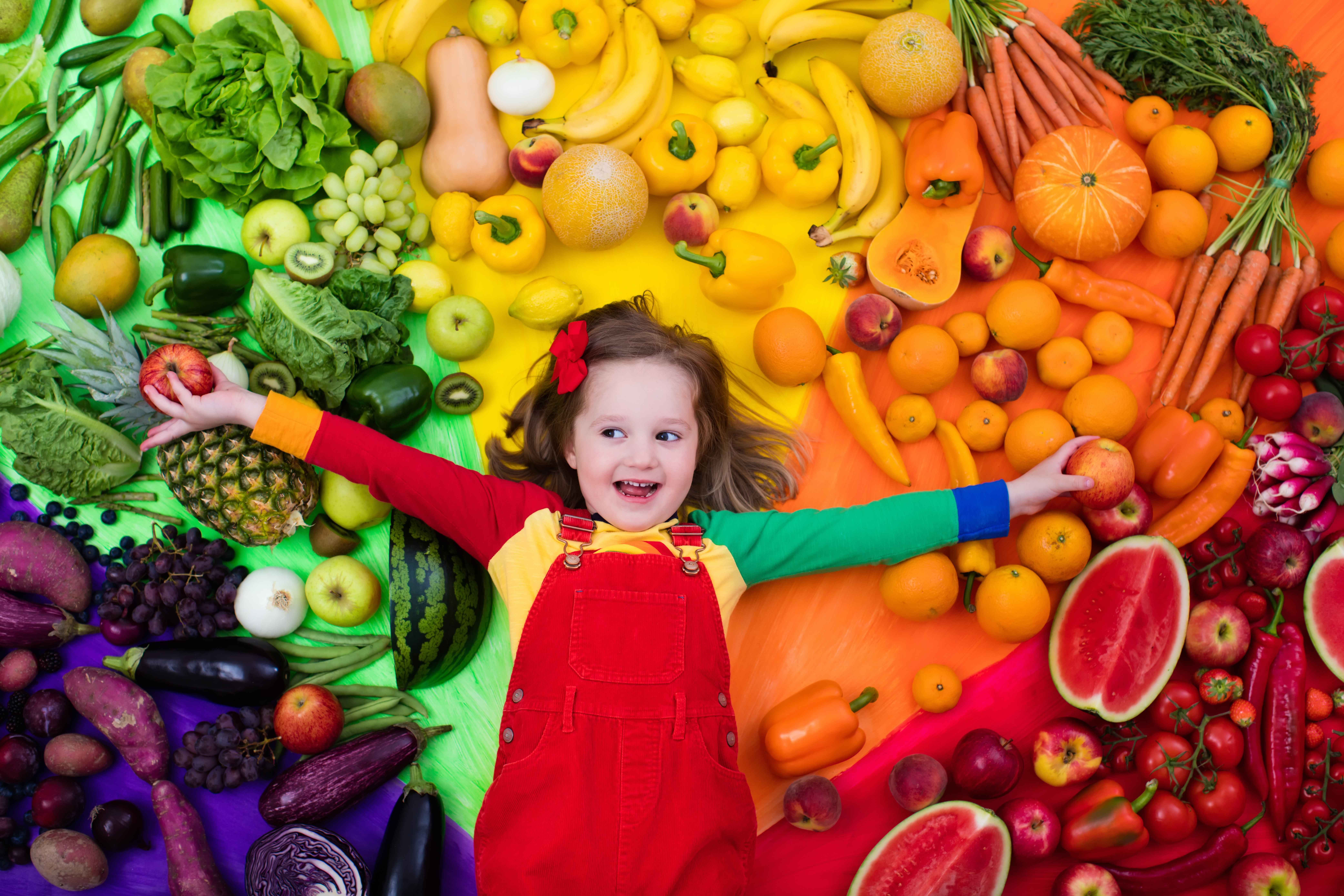 Most kids begin their relationship with food as avid explorers before becoming more selective.
Catering to picky eaters is just one part of the equation. Applegate Brand Manager Colin Babin explains, “Two primary concerns are driving product development at Applegate: delivering on taste for the whole family and meeting growing expectations around ingredient quality and sourcing.”
Fellow Applegate Brand Manager Jonathan Shepherd points to Applegate research showing that more than 70% of breaded chicken meals include children, so products like chicken nuggets must appeal to the whole family, including to those picky eaters, while still meeting the standards that parents have come to expect.
 Children's nutrition is growing increasingly interconnected.
The Next Frontier in Kids’ Nutrition
Looking ahead, experts agree that children’s nutrition is becoming increasingly interconnected, with future innovation centered on the microbiome, personalized nutrition, and multifunctional ingredients. “Supporting digestive and microbiome health are emerging as key areas of concern and need in children’s health,” says Dr. Stefanski. “In turn, children’s brands are investing in developing products to help support a healthy gut microbiome given its critical role in healthy digestion, nutrient absorption, immune function, and overall health. Whole food-based supplement products that deliver science-backed formulations of prebiotics, probiotics, and fiber are invaluable to support these foundational aspects of children’s health.”
This also is a major focus at BENEO, which sees the gut-immune axis gaining significant traction among forward-thinking brands. “In the realm of digestive health, clinical data show that supplementing the diets of toddlers and school-age children with naturally sourced chicory root fibers (inulin and oligofructose) significantly increases beneficial Bifidobacteria,” Colindres says. “For brands, this reinforces a key opportunity: supporting children’s ‘inner defense’ through everyday foods, using ingredients that are both functional and easy to incorporate into familiar formats.”
A similar focal point is the gut-brain axis. “The gut-brain axis is an area of emerging scientific interest, and forward-thinking brands have their finger on the pulse of the latest developments,” maintains Ustinova. “While research is still evolving, findings to date are promising. Prebiotic ingredients like galacto-oligosaccharides (GOS) may influence mental health via the gut microbiota, with studies in young adults pointing to improvements in mental well-being and reductions in self-reported anxiety. As research develops, this opens up a compelling dual positioning for children’s nutrition brands, addressing both gut and mental health simultaneously with a single product.”
Building on microbiome support, Dr. Smith highlights additional areas of growing research. “Several areas of emerging science are influencing innovation in children’s health, particularly those focused on nutrient utilization, personalized nutrition, and microbiome support. Three of the most dynamic and science-driven areas in the kids’ health space are vitamin K2, folate, and biotics. Brands are absolutely leveraging new research here to create sophisticated, next-generation products and claims.”
Brands investing in research to better understand the interconnected nature of children’s health will have a clear advantage in the competitive market. “A key area of interest is the growing body of research exploring the connection between neurotransmitter regulation and cognitive and behavioral performance in children and adolescents,” according to Suarez-Rizzo. “Researchers are increasingly investigating how naturally derived ingredients can support pathways involving neurotransmitters such as dopamine, noradrenaline, and serotonin, which play important roles in attention, mood, and activity regulation.”
Søfting sees the interconnected benefits as a draw as well. “Parents are increasingly seeking multifunctional products that support several wellness goals simultaneously, including brain health, immune support, eye health, and brain development.”
Winning Over Today’s Parents—and Kids
AI and social media are reshaping how consumers discover products, according to Nordic Naturals, which offers omega-3 products for kids, with a keen focus on creating nutritious options that offer an enjoyable experience that children will willingly take on a regular basis to provide more consistent support. “Social media has taken on a storefront role. More consumers are learning about brands and product offerings through their favorite social media platforms and through authentic creator reviews and recommendations.”
While social media may drive initial discovery, parents have unprecedented access to health information so they can do a deeper dive into the science, and they increasingly understand why certain products work better for their children...and ask the right questions at their local health food store when they need more clarity.
It’s also important to note that parents are not looking for short-term solutions. They want products that will make sense in the long run, stresses Colindres. “Today’s parents are moving away from restrictive diets and artificial fixes; instead, they are seeking clean-label, mindful everyday solutions that seamlessly support long-term physical and mental well-being.”
According to Garg, “Parents are looking beyond simply sharing adult products with children. Brands that create experiences specifically for kids—from serving size to design to messaging—are resonating with modern families. Wave Kids was built around this insight: creating a beverage experience that is truly a lifestyle brand, ‘For Kids, By Kids.’”
In today's go-go-go world, time is of the essence and convenience is cemented as a pillar to parenting. “Convenience has continued to be the top trend as more and more people discover how easy it is to stock up on easy meal solutions,” says Shepherd.
Using deli meats as an example, Babin says, “Snacking is an interesting trend that we are seeing with more options being geared towards how you make deli meat convenient for taking on the go in today’s hectic world. Flavor is increasingly important across deli meat as consumers are looking to move past standard flavors for increased variety.”
For Suarez-Rizzo, convenience and an age-appropriate experience are the biggest factors for purchasing decisions. She says MartinBauer’s Mentalify ingredient is designed for use in a variety of child-friendly formats. “Convenience and sensory appeal continue to influence purchasing decisions. Gummies, instant powders, chewables, effervescent tablets, and other easy-to-consume formats are popular because they improve compliance and fit seamlessly into family routines.”
Ultimately, the products consumers continue to purchase are the ones that kids actually enjoy and that make parents feel good about purchasing. Parents increasingly expect transparency, scientific validation, and brands they can trust. “Parents want products they can feel good about serving, and kids want products they’re excited to choose,” concludes Garg. “The brands that successfully deliver both will define the next generation of the category.”
As children’s nutrition continues to evolve, success won’t be determined solely by adding the latest ingredient. Brands that combine scientific validation, clean formulations, enjoyable formats, and transparency will be best positioned to earn parents’ trust—and children’s enthusiasm. WF