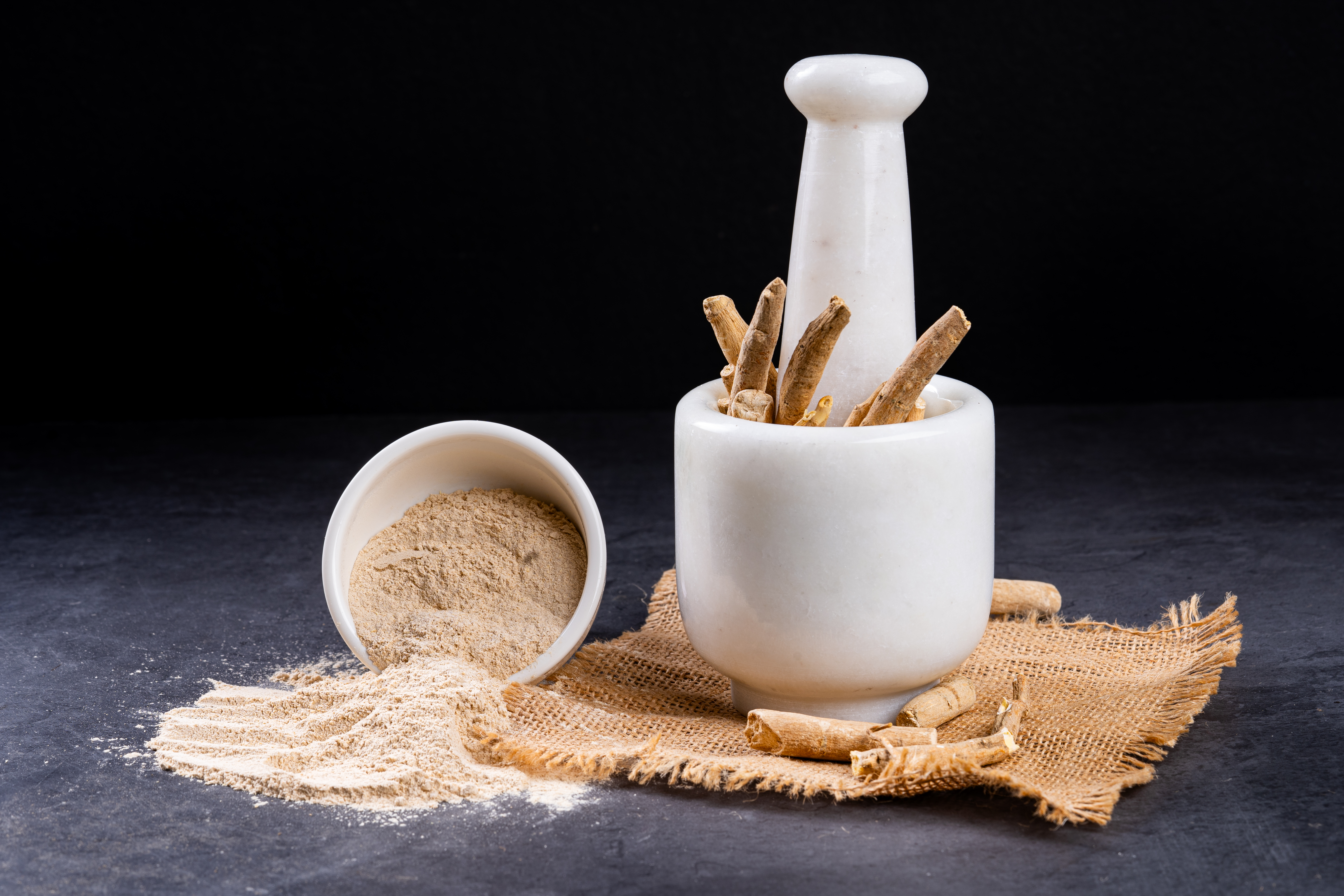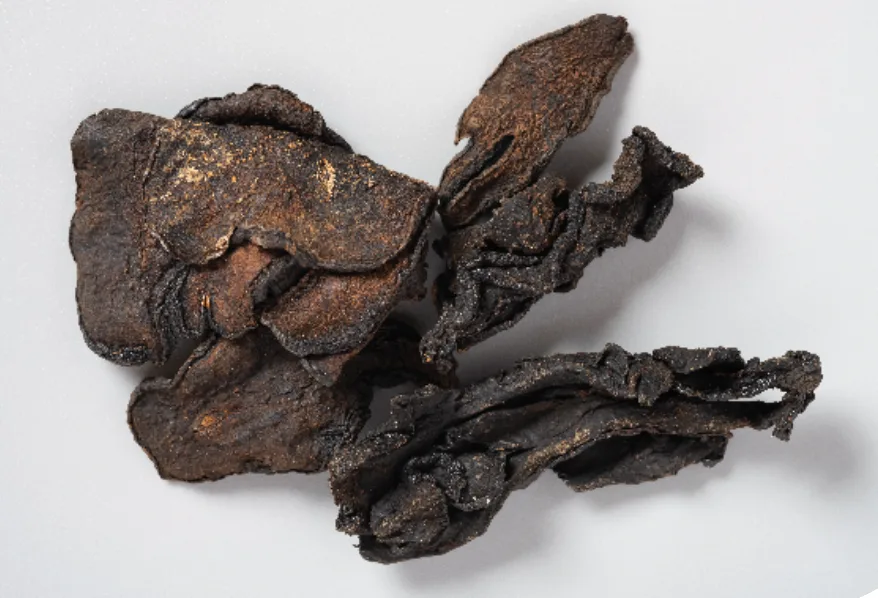
Commonly known as He Shou Wu or Chinese climbing knotweed, fo-ti has been a staple of Traditional Chinese Medicine (TCM) for centuries. Its common uses are vast, and it is often recommended for longevity, vitality, and full-body wellness. Its scientific name is Polygonum multiflorum, and you would be hard-pressed to find a place throughout Asia, and for that matter the entire world, where fo-ti was not revered for its traditional benefits.
Fo-ti is a climbing perennial vine that flowers, found throughout China as well as grown in Taiwan and Japan. It contains well over 100 chemical compounds, including quinones, flavonoids, and stilbenes.
In TCM, prized herbs are used both singularly and in long-tested combinations. fo-ti is often used alone, with incredible and noticeable results. You can find it commonly used in two forms:
White fo-ti is the unprocessed version. It is recommended for bowel distress, constipation, and supporting healthy blood and skin issues.
Red fo-ti is the cooked version, usually cooked in yellow rice wine, and black soybean juice. It is often utilized as a revitalizing-energy supportive tonic for healthy longevity, healthy hair, and organ health, including kidney and liver support. Other historical benefits of red fo ti include assisting with muscle soreness and headaches, supporting blood sugar, and helping with infertility.
Fo-ti is known to act like estrogen in the body, and knowing this, further research may be needed for those who are estrogen sensitive before using this herb.
An interesting tidbit: One legend tells the tale of a frail, elderly man whose hair turned black and whose health was rejuvenated after he consumed the plant’s vine. According to the legend, he regained his youthfulness and fathered many children.
Around the world, fo-ti extracts are used in topical creams, lotions, and ointments for various skin conditions. I'm not sure how commonly you can find it in shampoos, but they are recommended to combat the graying and premature thinning of hair. Fo-ti is available in tea, tincture, and capsules as well.
According to a 2024 study in Journal of Clinical and Aesthetic Dermatology, fo-ti taken in supplement form daily for six months significantly increased hair density assessments compared to placebo. It also resulted in positive subject self-assessment of hair appearance and quality.
As with all supplements, and especially herbs, one should consult with their personal healthcare practitioner to check for any possible side effects, or counter indications with any medications. Of course, for those who are pregnant, or breast feeding, fo-ti may not be a viable choice. WF