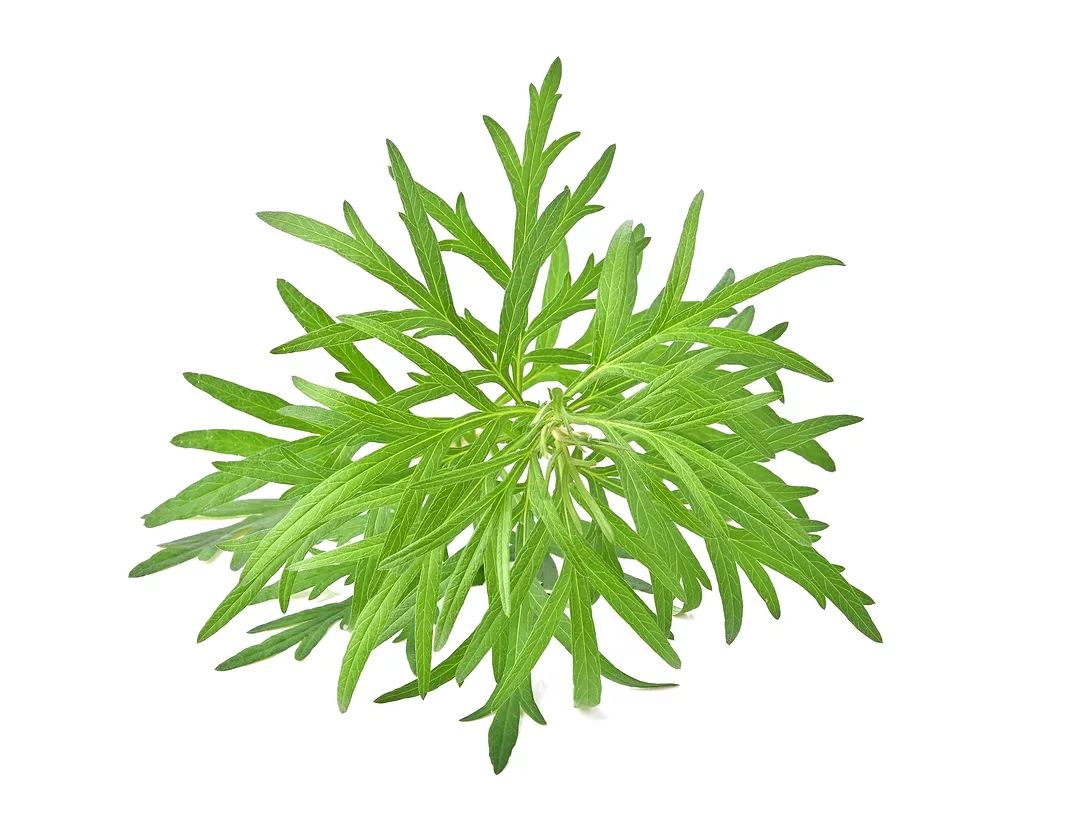
A native plant in China, Sweet Annie (Artemisia annua) goes by several names, including Sweet Wormwood and Annual Wormwood. In Chinese medicine it is known as Qing Hao, and has been used for centuries.
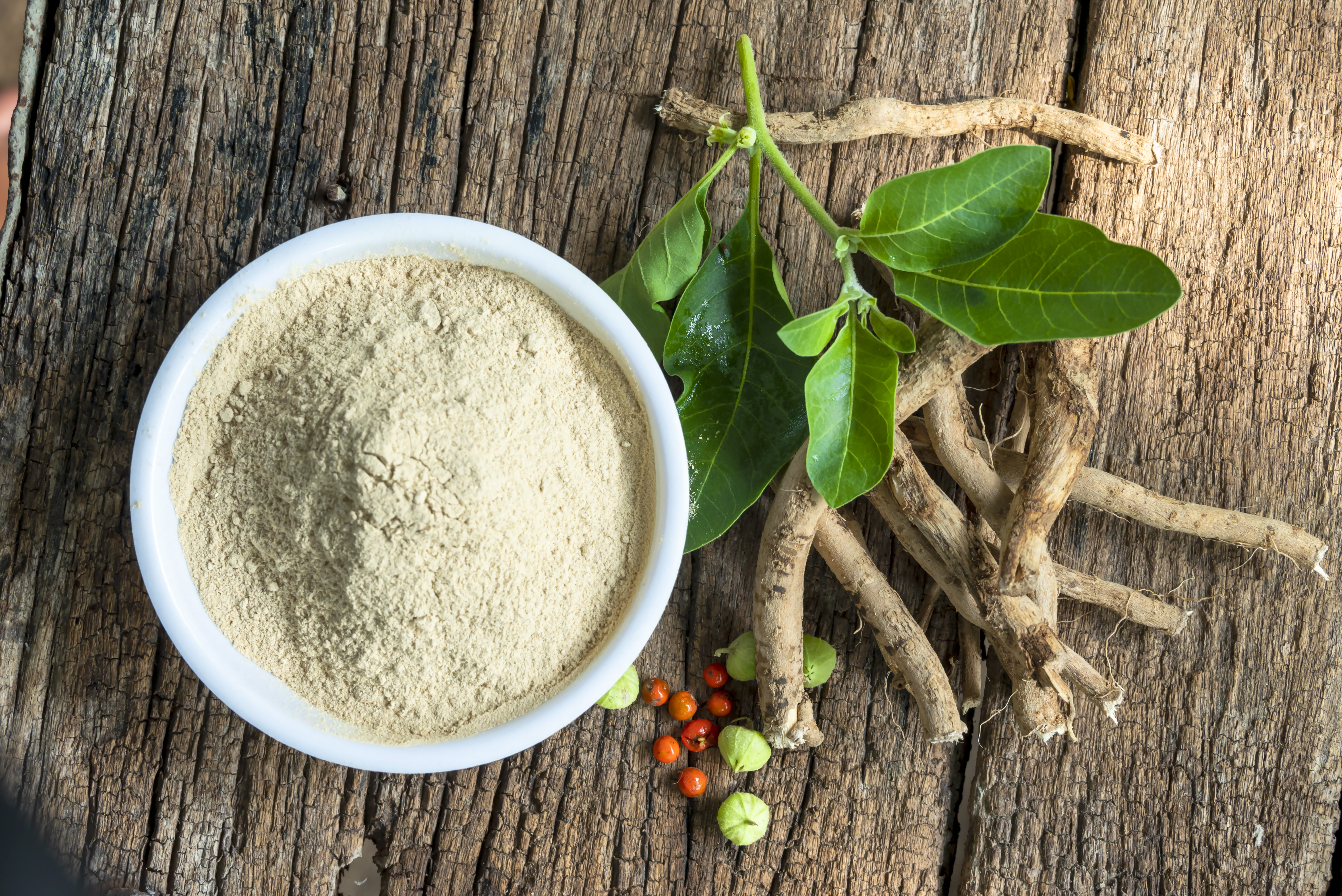
Sweet Annie can grow to six feet tall, has fern-like, light green foliage, and develops tiny clusters of flowers. It is easy to grow in full sun and most soil types, but like many plants, when the seeds drop it can spread quickly and take over an entire area. Many growers harvest before it goes to seed.
Sweet Annie’s yellow flowers contain essential oils and flavonoids. It is known for a semi-sweet aroma that traditionally made it popular as a pest deterrent and air freshener.
Around the world, Sweet Annie has been used for digestive and gut support, as well as treating fevers and malaria. Artemisinin is the active ingredient that gives this plant its healing powers.
In the 20th century, Chinese medical teams, including the “Bare Foot Doctors,” were sent to African countries to provide healthcare services, and they introduced artemisinin-based medicines for malaria. In addition to revolutionizing malaria treatment, research continues to explore the potential of artemisinin in various other health conditions (1).
In the past decade, increasing evidence has demonstrated the plant’s broad therapeutic potential, including antimicrobial, anti-parasitic, metabolic, and immuno-modulatory effects, among others. While most research has focused on humans, there is growing interest in exploring veterinary applications (2).
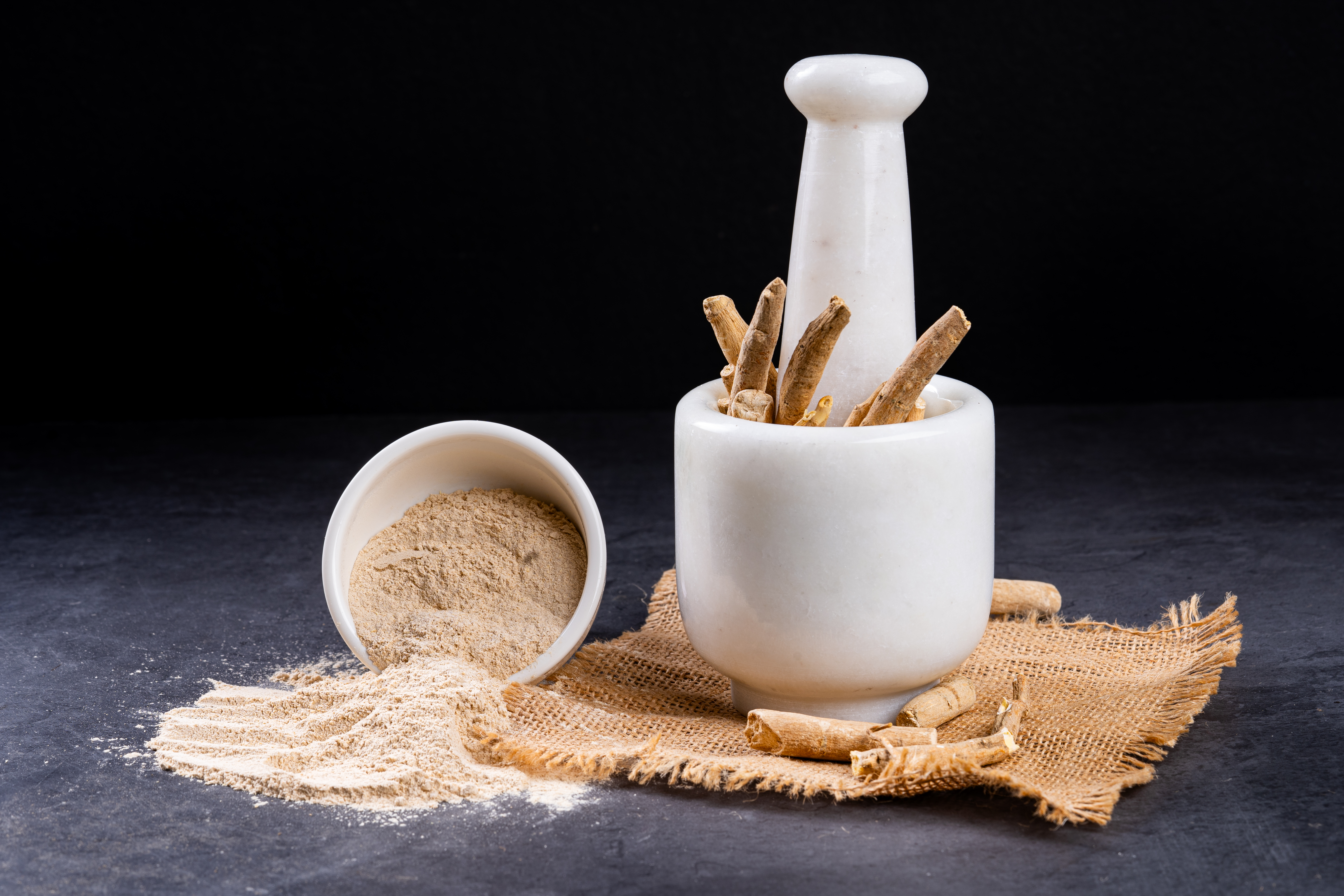
Whether used in a tea or tincture form, Sweet Annie, despite the semi-sweet fragrance, is seriously bitter. That bitterness is said to come from artemisinin. For those who prefer not to taste the bitter liquid in tea or tincture, capsules are available. Another available form is powder, which can be added to beverages or foods with a pleasant flavor to shield that bitter taste.
As with other herbs, one should consult a medical practitioner before using Sweet Annie. If there are pre-existing liver conditions, or allergies to ragweed, marigolds, daisies, and other members of the Asteraceae/Compositae family, there may be a chance for an allergic reaction to Sweet Annie. It is also considered “likely unsafe” during pregnancy and should be avoided by breastfeeding mothers.