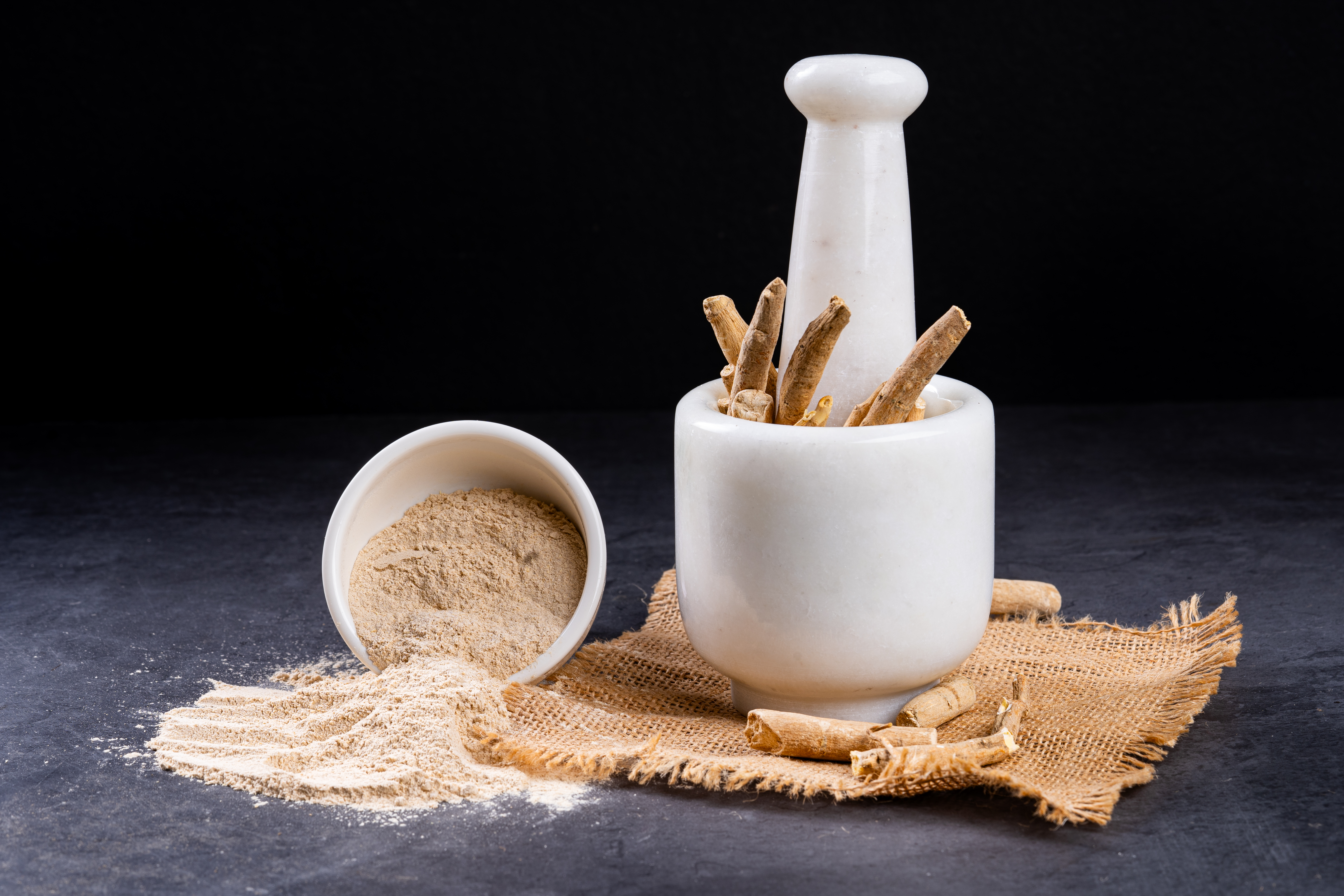
Ashwagandha Enters a Root-Only Era in India
June 30, 2026
Hands hold eco bags.
| Getty Images/iStockphotoPortland, OR— The state and wellbeing of our planet is a major topic of discussion, and if you feel helpless in regards to helping improve the state of our planet, you are not alone. A YouGov survey commissioned by Neutral Foods, the nation’s first carbon neutral food company, revealed that 86% of adults in the United States feel the planet is worth saving, and that of those 86%, more than half (51%) agree that protecting the planet is important, but they feel they are unable to help. In addition, 62% of all U.S. adults agree “food choices can impact the planet,” while 52% agree that they would be willing to make a switch to an alternative food brand if it could impact climate change.
“There is a very, very real urgency surrounding climate change and this new survey data validates that consumers are ready and willing to help make a difference,” said Marcus Lovell Smith, CEO, Neutral Foods. “We have a simple way to help the large majority of Americans who believe the planet is worth protecting but may not know exactly what to do. We can all start with small changes like choosing carbon neutral milk for a daily bowl of cereal or a morning latté, which can add up to major decreases in CO2 emissions.”
Consuming carbon neutral products is not only a great way for buyers to personally help the planet, but their support of sustainable companies will in turn help those companies continue to make a positive difference on the planet.