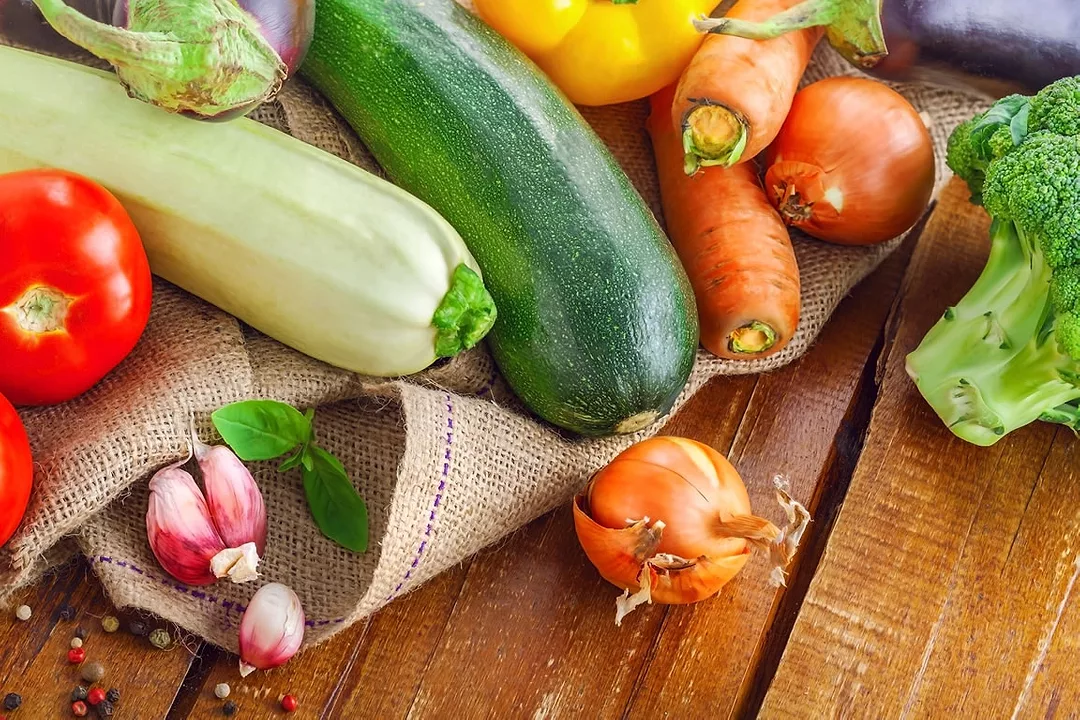
Americans have become more health-conscious in recent years: opting for nutritious meals over artificial foods, scrutinizing ingredient labels, and gravitating toward organic produce. But there’s only so much consumers can do for themselves. Food brands must deliver safe, high-quality goods, because lives really do hang in the balance.
Food contamination cases have proved the dangers of mishandled produce. Five people died from E. coli poisoning in 2006 after eating spinach packaged on a California farm. Likewise, eight people died and 500 became sick in 2009 after contracting salmonella from a tainted batch of Georgia peanuts.
Fears over such contamination have driven demands for greater transparency from manufacturers. Sales of organic foods grow by 22 percent each year, but an organic label doesn’t mean much if the food isn’t safe. Manufacturers must ensure safety from their suppliers’ farms to their customers’ tables.
Food safety practices are essential to sustainability, both in terms of environmental stewardship and business-customer relationships. The companies that provide the safest foods and tread most lightly on the planet are those that use plant and animal resources most effectively. They’re also the ones consumers count on for safe, nourishing foods.
The U.S. has some of the most comprehensive food safety standards in the world, and we have fewer instances of food-borne illnesses than most countries. Still, contamination happens. And consumers hold manufacturers accountable through their purchases, sending their money to companies that demonstrate their safety records and processes.
But what do those processes need to be? For companies wanting to fit that safe, sustainable mold, here are some practices to embrace.
Proper packaging.
Unless your dinner table is in the middle of a pasture, there will be a process of transporting food from the manufacturers to the consumers. To have any chance of remaining safe and clean over miles of highway travel, food must be packaged to keep dirt, disease, and the elements at bay. Most food products need to be packaged in a completely sanitary, aseptic environment before they hit the road. Good food safety practice is a prerequisite to sustainability, and it all starts here.
2. Redundancies for human — and machine — error.
Whether food is handled on an assembly line or individually inspected by hand, there's a chance for issues to slip through the cracks. Make sure with a second set of eyes that every package loaded onto the truck is free of defects. It may slow things down, but a contamination scare will do far more damage — even a properly sourced and sustainable product could lose its high-quality reputation.
Clean chains of custody.
The brunt of the focus on sustainability is placed on manufacturing processes, but that isn't the whole equation. The specific processes for ensuring safety can vary by food type, but cleanliness is number one — and that doesn't stop at the farm. From the field to the trucks to the shelves to the checkout line, the same standards must apply across the board. Transportation, distribution, handling, and merchandising should all be handled in a manner consistent with clean and safe food handling practice.
When it comes to food safety, knowledge is power. The more you do to protect against food-borne illnesses, the safer you and your customers will be.
Adam Lowryis the co-founder of Ripple Foods, a company that exists to make dairy-free foods high in protein, low in sugar, loaded with nutrition, and delicious. Adam believes that business is our greatest vehicle for positive social and environmental change. Connect with Ripple Foods on Twitter.
NOTE: The opinions expressed in bylined articles are not necessarily those of the publisher.
 RSS
RSS