RSS
RSS



For retailers, the refrigerated and freezer sections of supermarkets and grocery stores are notorious trouble zones. Open multi-deck cases consume a huge amount of energy and allow temperatures to fluctuate. The typical multi-deck meat or dairy case is defrosted four times a day (vs. once a day for a case with doors). That means four times a day, for about 30 minutes each cycle, product temperature spikes and allows bacteria to grow. Also, cold aisles make for an unpleasant shopper experience since bad lighting makes products look washed out. Refrigerated cases also take a beating from carts, kids and constant wear so they look dirty. Shoppers don’t want to buy food from dirty cases so it all adds up to profit loss and brand damage.
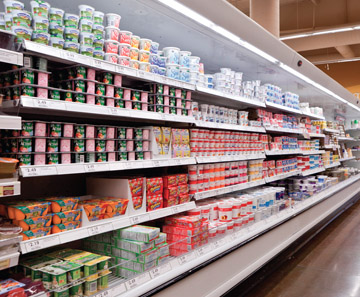 |
| Open Case Before |
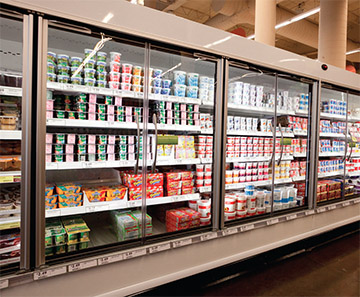 |
| Closed Case After |
 John Roche is director of marketing and engineering for Anthony International, a Dover Company. Anthony International is headquartered in Sylmar, California. The company was founded in 1958 and is the leading manufacturer of commercial glass refrigerator and freezer doors, lighting systems and display equipment. For more information, send email to jroche@anthonyintl.com